



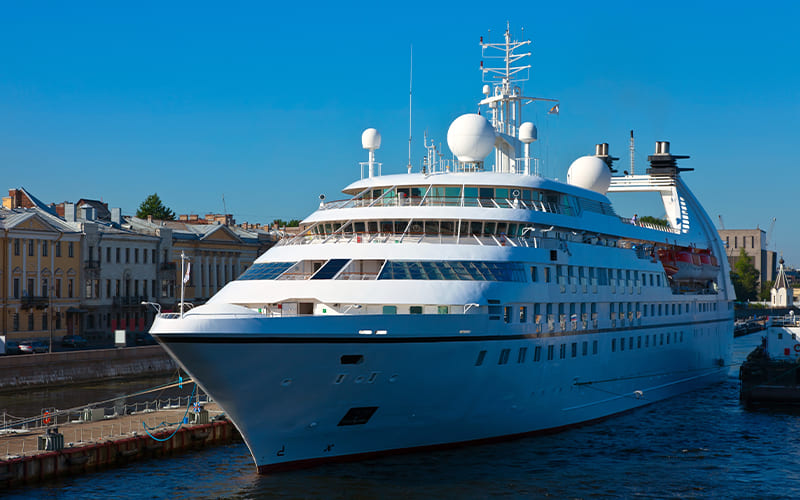
20 Ago The Origin of Tourist Cruises
Today, tourist cruises are synonymous with luxury vacations, floating entertainment, and trips to exotic destinations. However, their origin was not linked to leisure, but to passenger transportation across long sea distances.
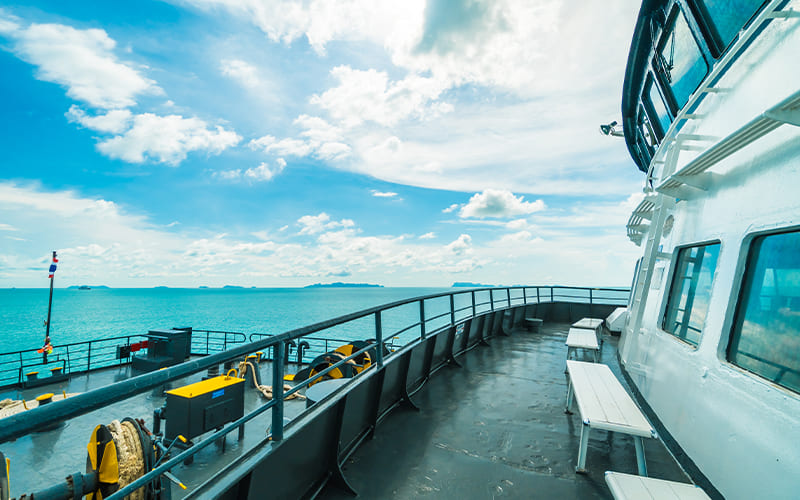
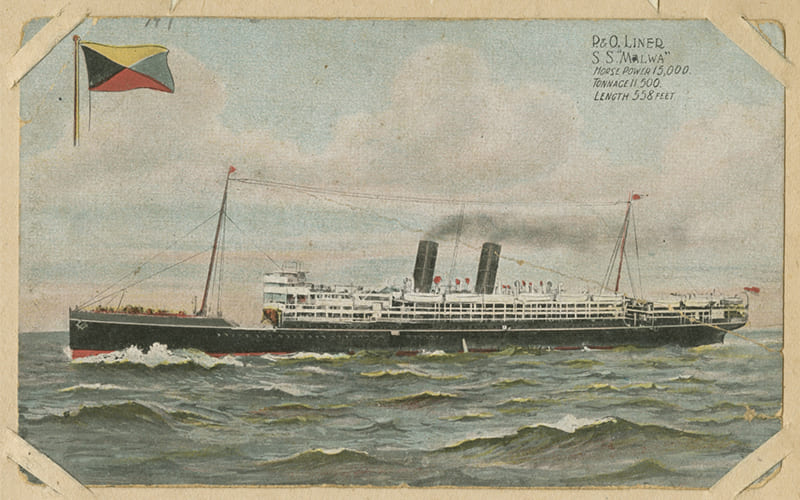
During the 19th century, large ships were mainly used to connect continents, especially Europe and America. These were long, uncomfortable journeys with basic services. But everything started to change in 1844, when the British company P&O (Peninsular and Oriental Steam Navigation Company) offered the first sea voyage for tourism purposes, with routes through the Mediterranean. This initiative marked the beginning of the concept of pleasure travel at sea.
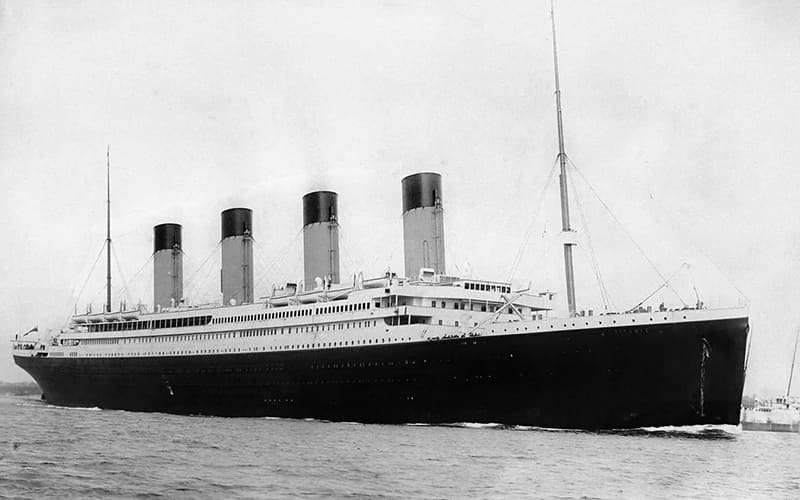
By the late 19th and early 20th centuries, ocean travel became a status symbol. Transatlantic ships like the Titanic were not cruises in the strict sense, but they offered luxurious onboard services that laid the foundation for elite tourism. However, it was not until after World War II that cruises began to separate from regular transport and focus exclusively on entertainment.
The real revolution came in the 1960s with the rise of mass tourism. Companies like Carnival Cruise Line started a new era: ships designed for fun, with pools, theatres, restaurants, and stops at paradise-like destinations.
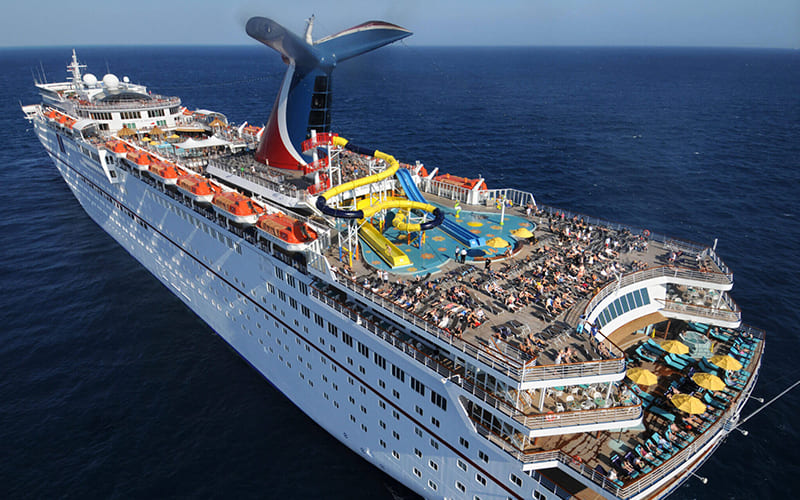
Since then, cruises have evolved into true floating cities. Their origin—a mix of necessity, luxury, and commercial vision—gave rise to one of the most popular ways to travel the world.
Sorry, the comment form is closed at this time.