



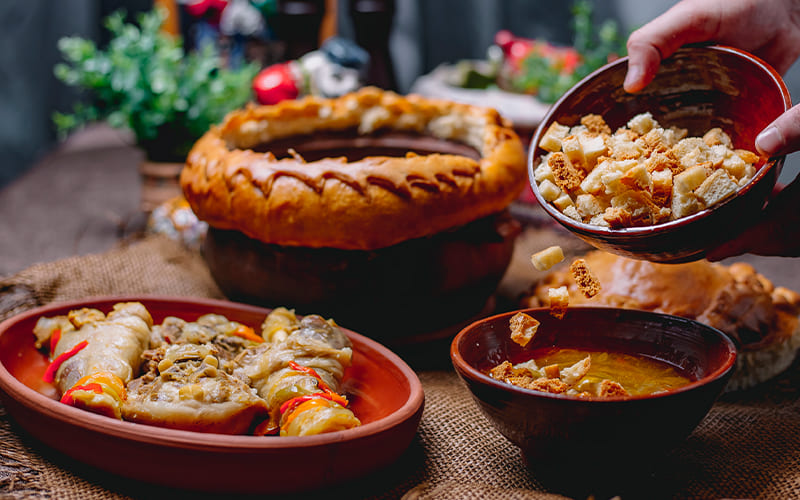
26 Nov Culinary History: Estonian Cuisine
Estonian cuisine reflects its natural surroundings and its history as a meeting point between Northern and Eastern Europe. Influenced by German, Russian, and Scandinavian kitchens, it combines the simplicity of local ingredients with a strong connection to the land and the sea. Seasonal products dominate the Estonian table: Baltic fish, smoked meats, mushrooms, cereals, root vegetables, and wild berries. The cuisine is hearty and honest, designed to withstand long winters and celebrate the short but abundant summers. Dishes are often filling, served with dark bread and fermented dairy, symbols of Estonia’s culinary identity.
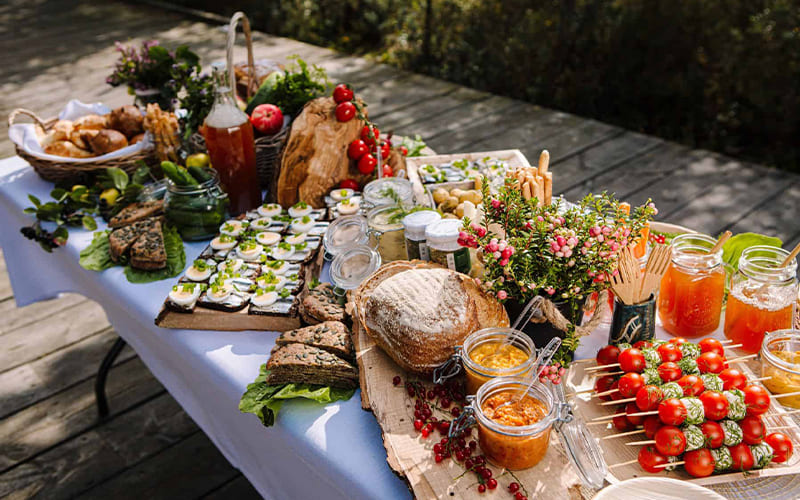
Main Dishes:
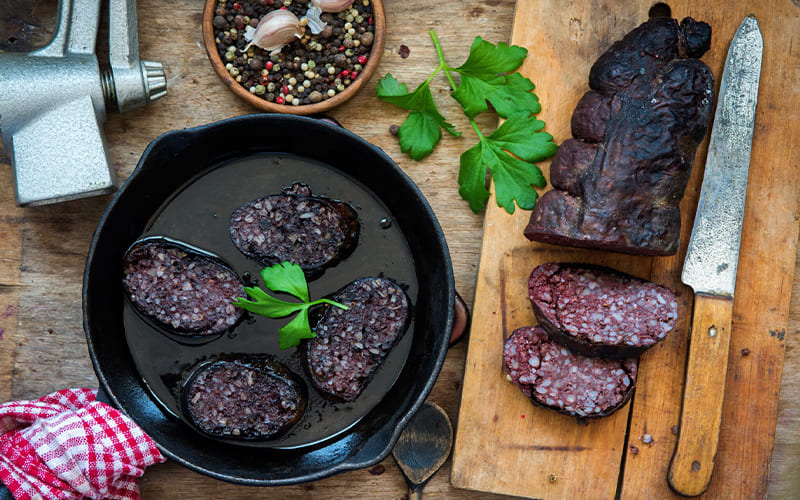
Verivorst: A traditional Christmas blood sausage made with barley, pork fat, and spices, served with sauerkraut and lingonberries.
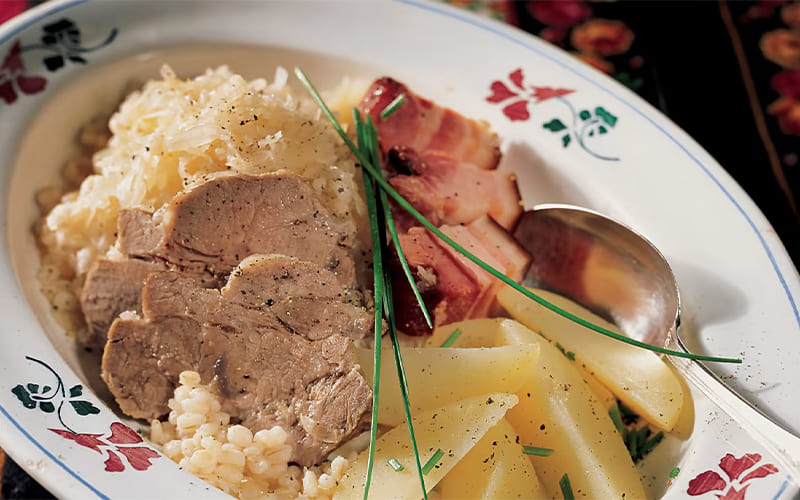
Mulgikapsad: A traditional stew of fermented cabbage with pork and pearl barley, popular during the cold months.
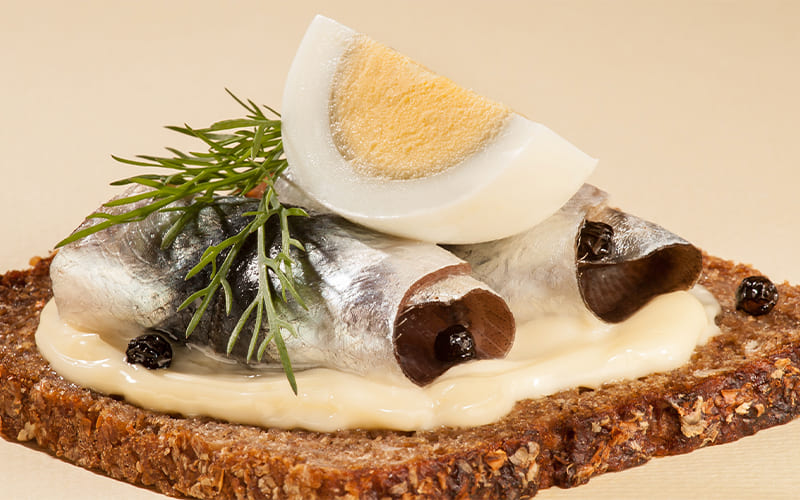
Kiluvõileib: Dark bread toast topped with herring, boiled egg, and onion—a classic for breakfast or national celebrations.
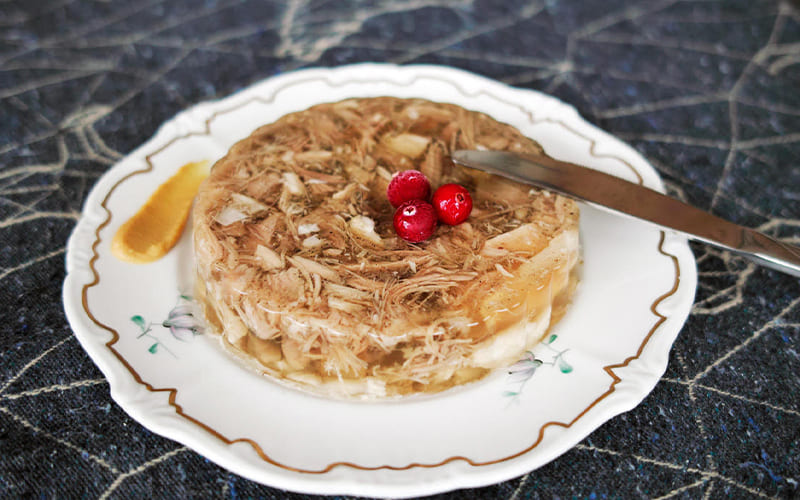
Sült: Pork aspic, cooked and cooled to form a natural jelly, served cold with mustard or beetroot.
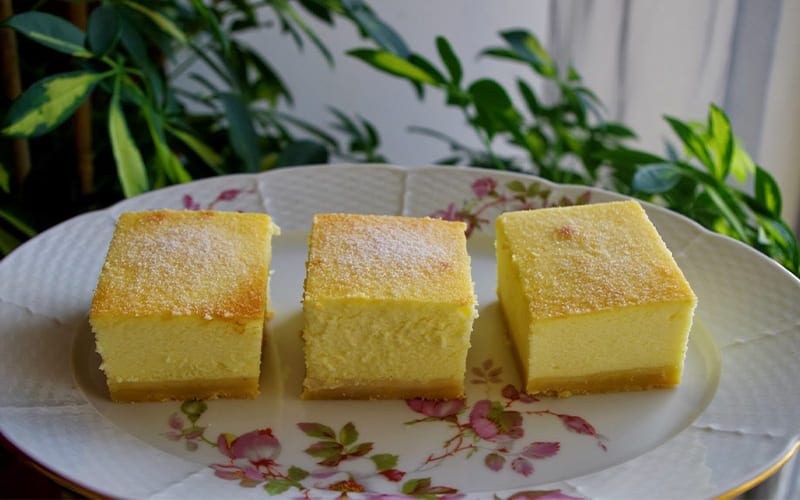
Kohupiimakook: Estonian cheesecake made with kohupiim, a type of local curd, slightly sweet and creamy, perfect with coffee.
Sorry, the comment form is closed at this time.