




21 Ene Culinary History: The Gastronomy of Trinidad and Tobago
The gastronomy of Trinidad and Tobago is one of the richest and most diverse in the Caribbean. Its cuisine reflects the cultural mix that defines the country: African, Indian, British, Chinese, and Creole influences all come together on a single plate, creating bold flavours, vibrant spices, and unique combinations. Each meal showcases the multicultural spirit that characterises the islands. Trinidad is known for its more heavily seasoned cuisine, especially due to Indian influence, while Tobago maintains a more Creole and seafaring profile. With curries, fresh fish, rich stews, and traditional breads, eating here is a complete sensory experience. The frequent use of turmeric, cumin, coriander, tamarind, and coconut produces aromatic dishes that delight both those seeking comfort food and those wanting to try something entirely new.
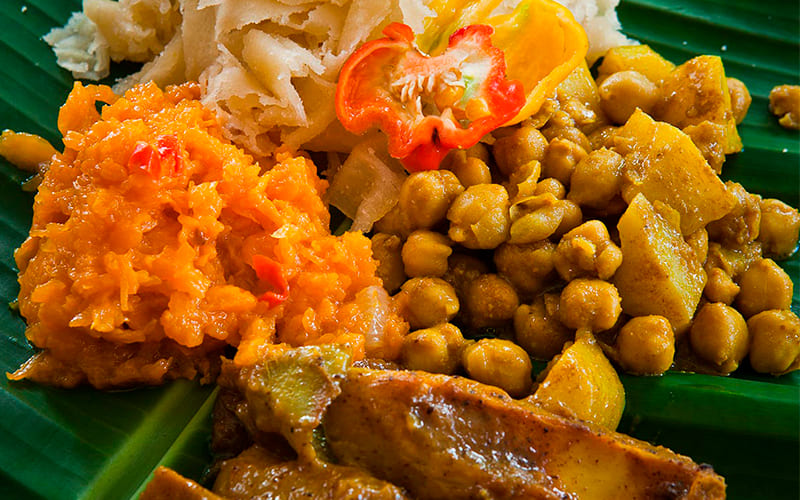
Among the five most representative dishes of the country are:
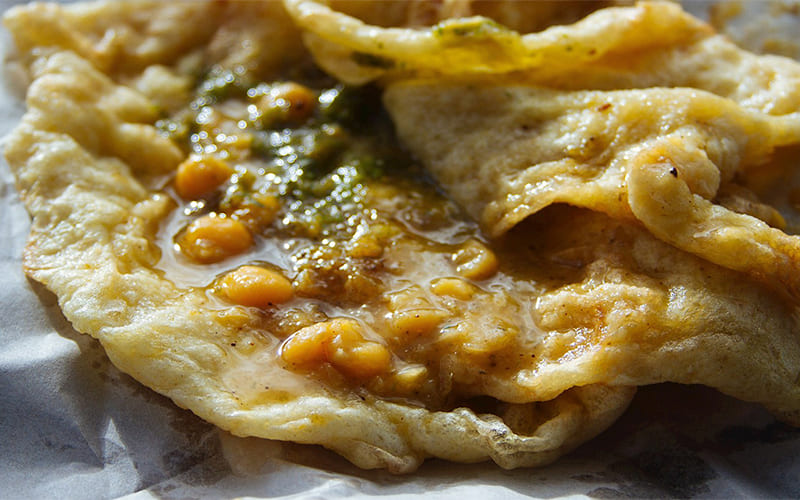
Doubles: fried flatbread with spiced chickpeas, a street-food emblem of Trinidad.
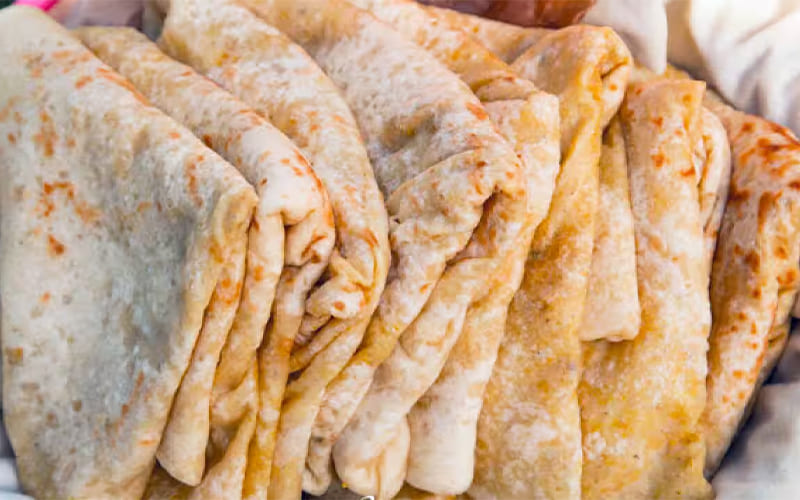
Roti: flatbread filled with curry, usually chicken, potato, or channa.
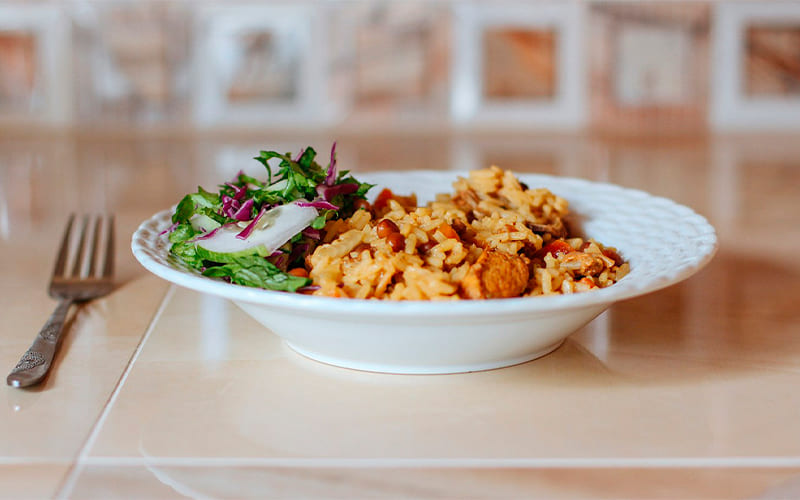
Pelau: a mix of rice, beans, and chicken caramelised with burnt sugar.
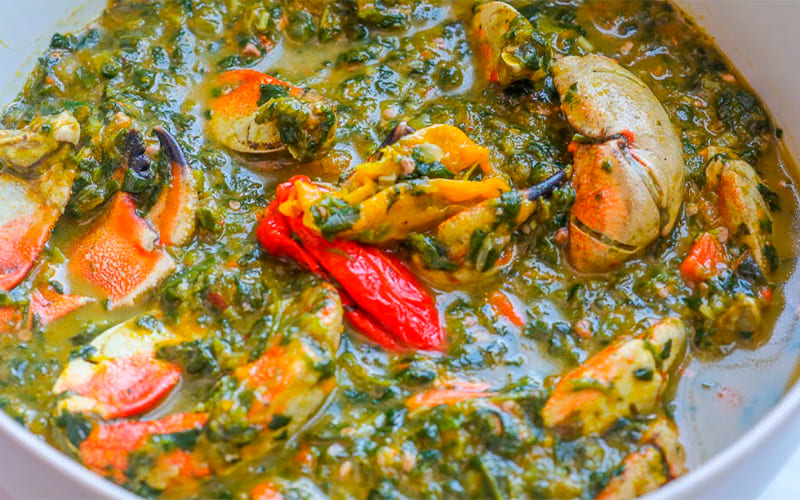
Callaloo: a thick, flavourful cream made from green leaves, coconut, and spices, typical of Tobago.
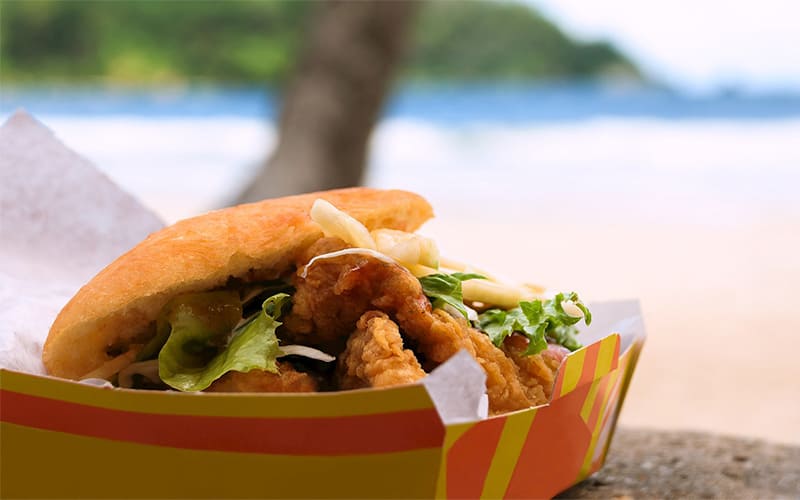
Bake and Shark: a fried shark sandwich with sauces and vegetables, a classic on the beaches.
Trinbagonian cuisine does more than feed—it tells stories of migration, resilience, and celebration. Each bite is a testament to the diversity that makes Trinidad and Tobago an unmatched culinary destination.
Sorry, the comment form is closed at this time.