



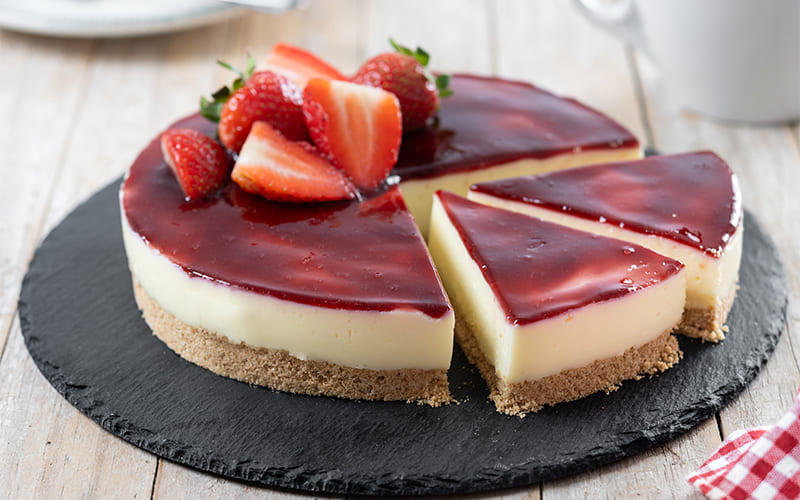
28 Ene Culinary History: The Origin of Cheesecake
Cheesecake, one of the world’s most beloved desserts, has a history far older than many people think. Its origins trace back to Ancient Greece, where as early as the 5th century BC a simple version was prepared using fresh goat or sheep cheese, honey, and wheat. This cake was so valued that it was even served to athletes during the first Olympic Games because it was considered an excellent source of energy.
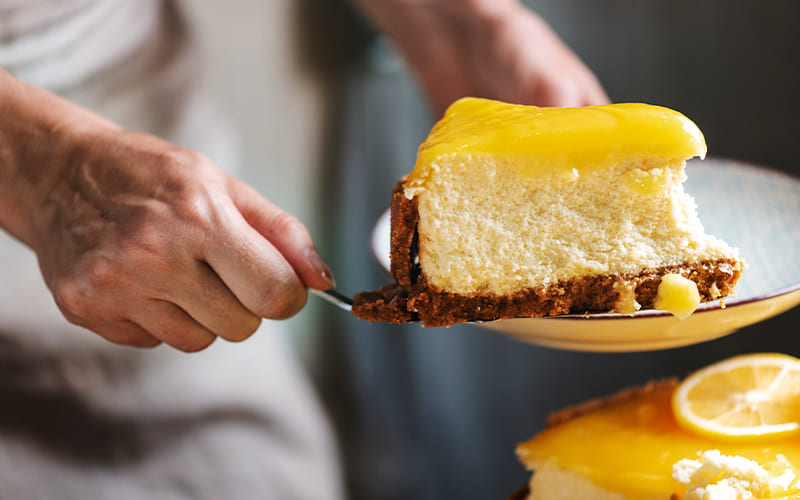
With the expansion of the Roman Empire, the recipe travelled across Europe and began to change according to local ingredients. During the Middle Ages, the introduction of creamier cheeses and improved techniques led to softer, smoother variations. However, the true turning point came in the 19th century, when modern cream cheese was developed in the United States. This ingredient became the foundation of the cheesecake we know today—silky, firm, and with that slightly tangy flavour that makes it unique.
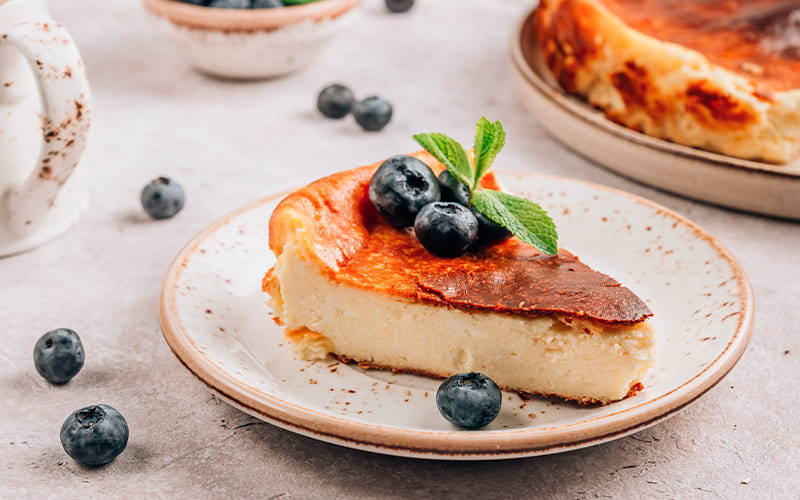
From there, iconic variations emerged, from the famous New York–style cheesecake to no-bake versions with fruits, chocolate, or biscuit bases. Cheesecake is, in essence, a culinary journey through time: a blend of tradition, evolution, and creativity that has remained popular and continues to win hearts in every corner of the world.
Sorry, the comment form is closed at this time.