



11 Feb Culinary History: The Origin of General Tso’s Chicken
If you think General Tso’s chicken is a traditional Chinese dish, you might be surprised to learn that it isn’t. This very popular meal, often found in Chinese-American restaurants, was created outside mainland China. Although it carries a “Chinese” name, its story is really a mix of cultures, making it an icon of Chinese food in the United States rather than a dish from traditional Chinese cuisine.
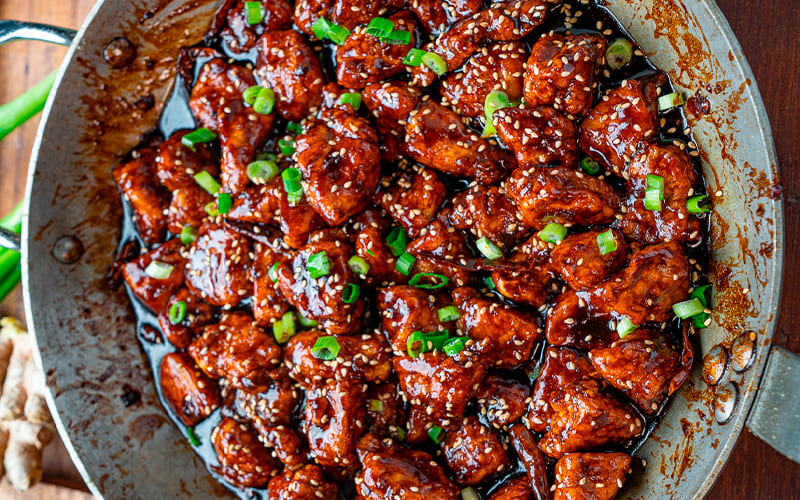
The story begins in the 1950s with Chef Peng Chang-kuei, who came from Hunan province. After the Chinese Revolution, he fled to Taiwan, where he worked as a chef for official banquets. There, he created a fried chicken dish with a bold, spicy sauce designed to appeal to Western guests, including a visiting American admiral. He named the dish after Zuo Zongtang (General Tso), a 19th-century military general from Hunan—despite the fact that the general never cooked or tasted the dish.
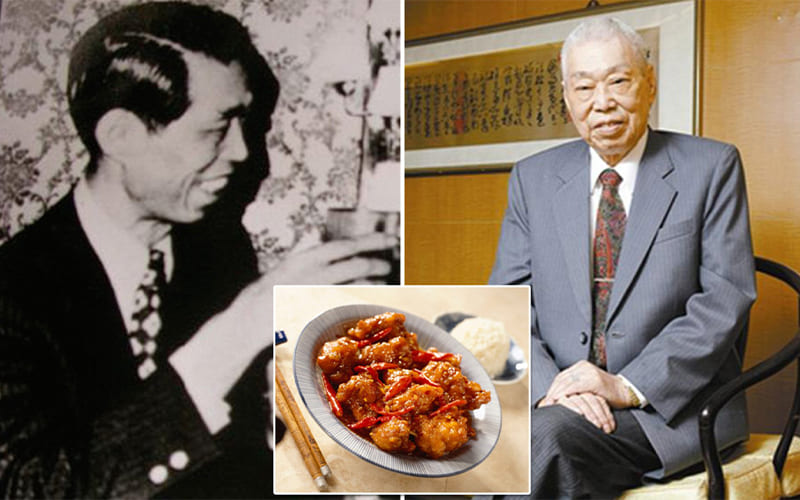
In 1973, Peng moved to New York and opened a Hunan-style restaurant near the United Nations headquarters. He brought his recipe with him, and it gradually became part of what many people in the US came to know as “Chinese food”. Other chefs adapted it to suit American tastes: boneless pieces of chicken, battered and deep-fried, coated in a thicker, sweeter sauce. This version was quite different from the original, which was spicier and less sweet.
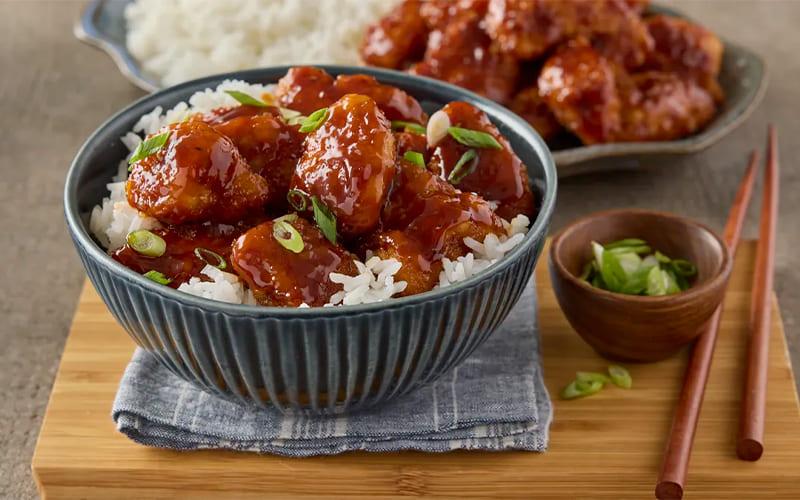
Today, General Tso’s chicken is almost synonymous with Chinese takeaway food in the United States, known for its crispy fried chicken and sweet sauce. However, it is rarely found in mainland China or in traditional Hunan cooking, where many people have never even heard of it.
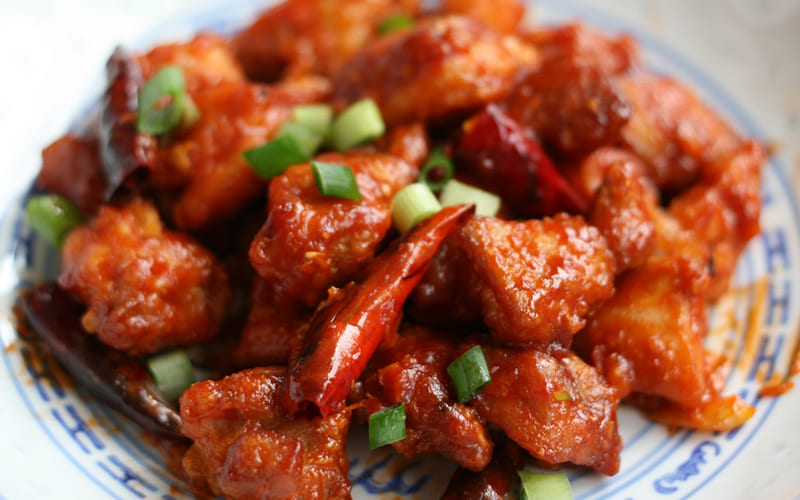
So next time you order this dish at a Chinese restaurant in Lusaka, Ndola or Kitwe, remember that you’re enjoying a modern culinary creation—one that started in Taiwan, was shaped by international tastes, and became famous through the global Chinese diaspora.
Sorry, the comment form is closed at this time.