




13 May TARRAGONA, THE “HIDDEN” EXOTIC CITY
The fascinating, beautiful, and tranquil city is located in the northeast of Spain and was discovered in the 5th century BC. It consists of a long and narrow municipality, parallel to the coastline, divided by the lower course and the mouth of the Francolí River. In Tarragona, history emerges from the stones, from the books, and comes to life. The city has specialized in historical reconstruction activities. It is said that this city is still “hidden” as many people are unaware of its beauty. Therefore, we want to provide a brief guide about this magnificent city and culture.
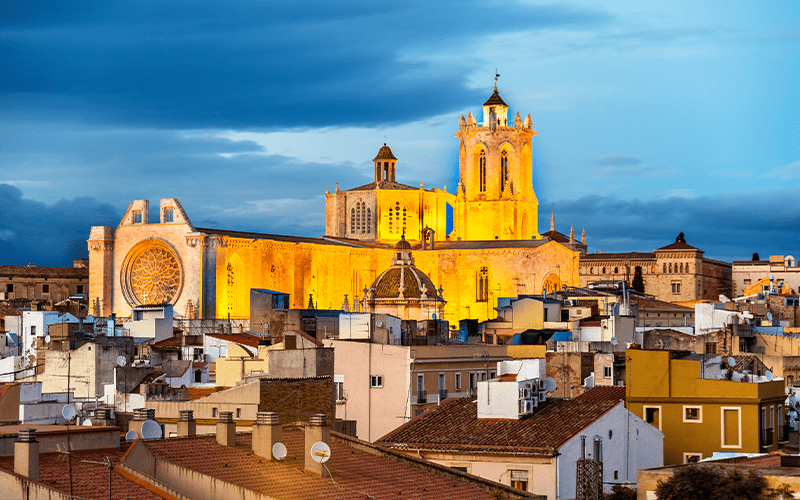
The Cathedral:
The Cathedral, dedicated to Saint Tecla, is located approximately in the same place as the Roman temple. It was started in the 12th century in the Romanesque style, continued in the Gothic style, and was consecrated in 1331 but remained unfinished due to the Black Plague. The façade, with the large portal and rose window, is one of the most iconic images of the city. Entering through the cloister, you can visit the Diocesan Museum and the altarpiece of Saint Tecla.
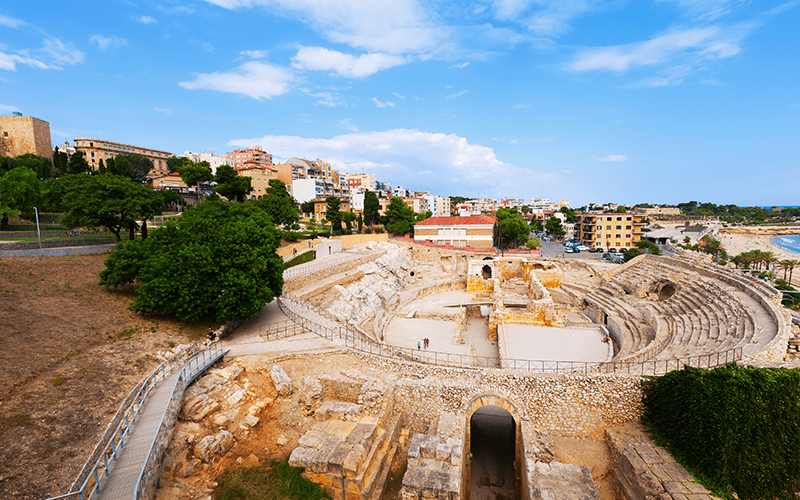
Roman Amphitheatre:
The amphitheatre measures 109.5 by 86.5 meters in total and had a capacity for around 14,000 spectators. In ancient times, it hosted bloody spectacles such as gladiator fights, animal hunts, and public executions, including those of the early Christian martyrs. In the 6th century, a Visigothic basilica was built inside it, on top of which the medieval church of Santa Maria del Miracle was erected.
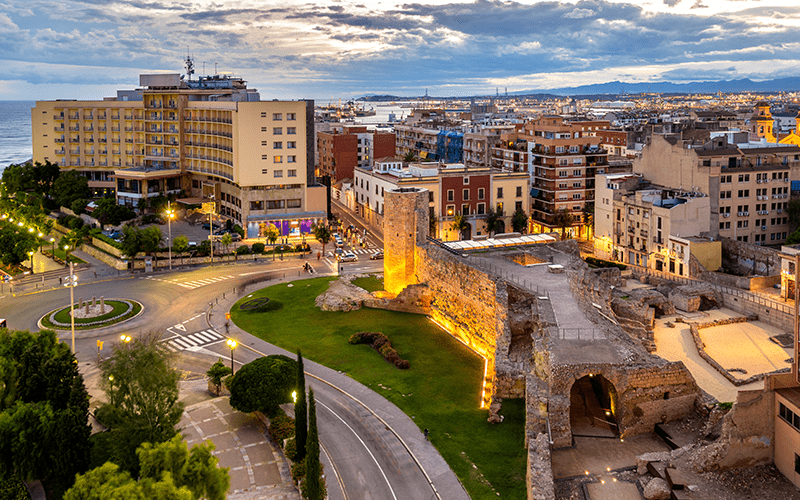
Pretorium and Roman Circus:
The circus was the venue for horse and chariot races and was located between the Vía Augusta and the provincial forum. It had an elongated shape, measuring about 325 meters in length and up to 115 meters in width, with an estimated seating capacity of 30,000 spectators. The Tarragona circus was built in the 1st century and is unique because it’s located within the city, resulting in distinctive architectural features. Despite a portion of its structure being hidden beneath old 19th-century buildings, it’s considered one of the best-preserved circuses in the Western world. The Pretorium is a tower from Roman times that housed stairways connecting the lower city to the provincial forum through underground corridors. It’s one of the corners of the large rectangle of the provincial forum square. In the 12th century, it was transformed into the palace of the Kings of the Crown of Aragon and later used as a prison.
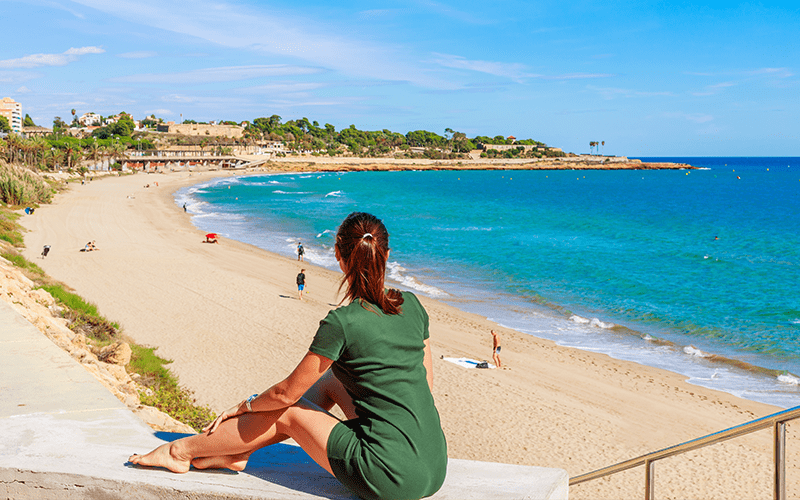
The Beaches of Tarragona:
The coastline of the province of Tarragona is famous for its beautiful beaches along the renowned Costa Dorada on the Mediterranean coast. Here, you can find paradisiacal sandy beaches with calm waters, as well as small coves where you can easily find the tranquility and privacy sought by those who wish to escape the crowds often associated with popular tourist spots along the coast.
Sorry, the comment form is closed at this time.