



04 Mar Culinary History: The Gastronomy of Saudi Arabia
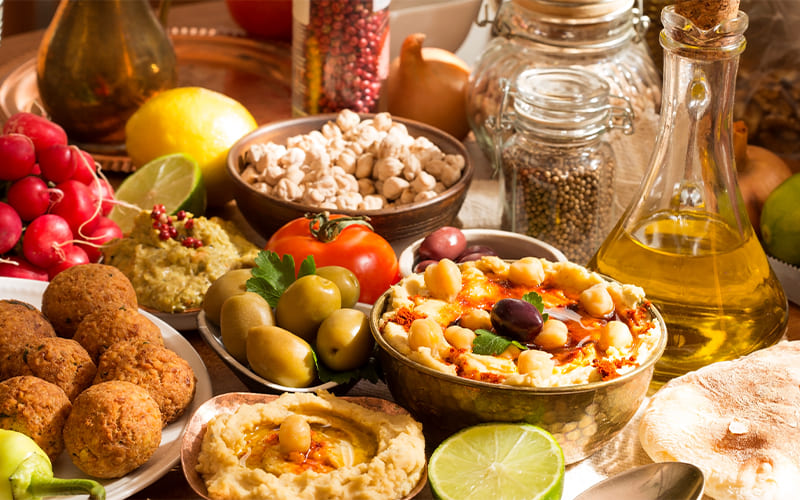
Saudi cuisine is a living expression of the country’s history, culture and deep-rooted traditions. Shaped by ancient desert trade routes, caravan life and a strong culture of hospitality, this food heritage will feel familiar and appealing to many African readers, especially those who value communal meals and bold, warming flavours. The cuisine blends aromatic spices such as cumin, coriander, cardamom, cinnamon and cloves with staples like rice, wheat, meat and nuts, creating rich tastes that tell the story of its people. Portions are generous and meant to be shared during family gatherings and celebrations, much like in many African homes.
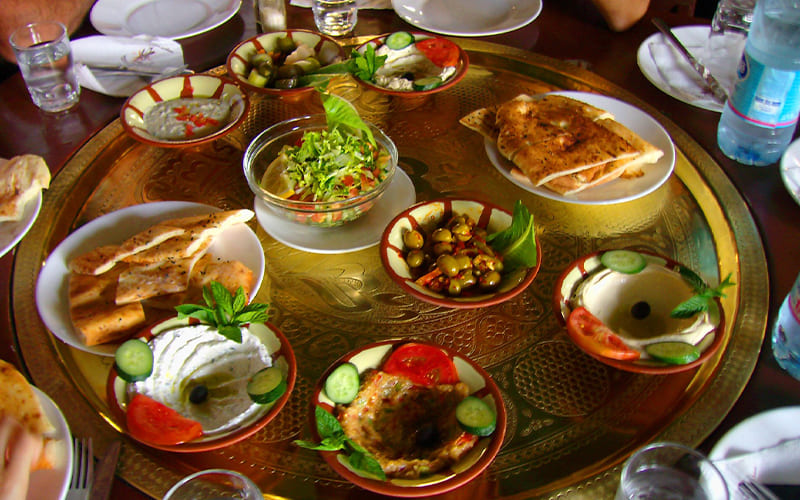
Among the main dishes, the most important are:
Kabsa: considered the national dish, it is fragrant spiced rice cooked with meat (usually lamb or chicken) and often topped with raisins and toasted almonds. Kabsa represents hospitality and family unity in Saudi Arabia.
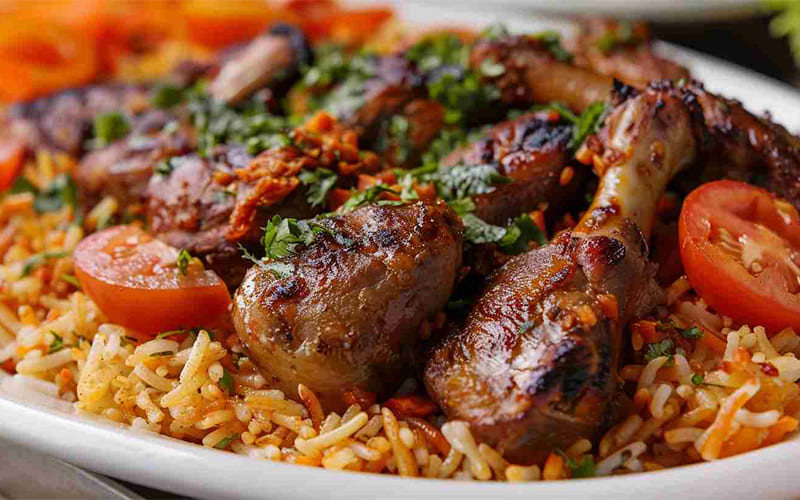
Mandi: originally from Yemen but widely embraced in Saudi Arabia, this dish is known for its slow-cooked meat, sometimes prepared in an underground oven, giving it a tender texture and smoky flavour that infuses the rice.
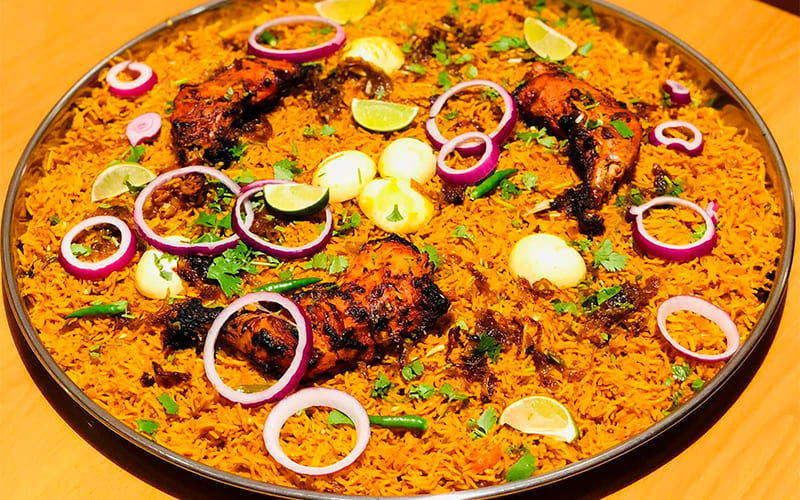
Jareesh: a traditional dish from the central regions, made with cracked or crushed wheat slowly cooked with meat and spices, resulting in a creamy, comforting meal similar in spirit to African grain-based dishes.
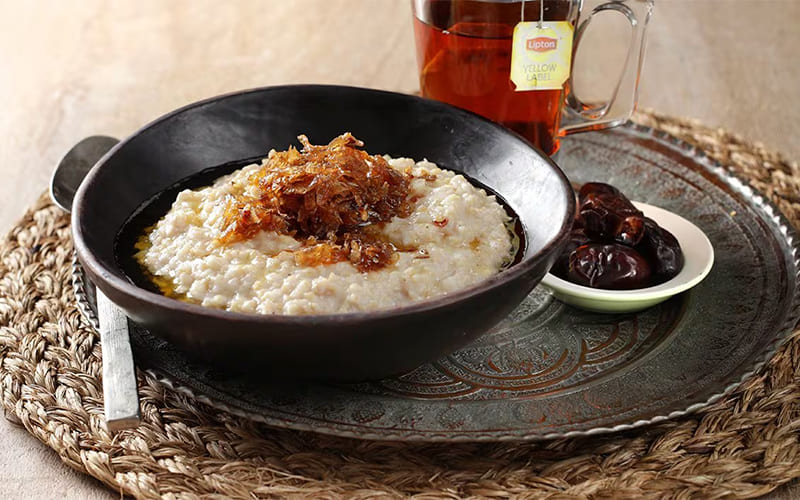
Ruz Al Bukhari: influenced by Central Asian flavours, this rice dish with tomatoes and spices is commonly served with chicken or meat and often includes carrots or raisins. It is especially popular in cities like Jeddah and Riyadh.
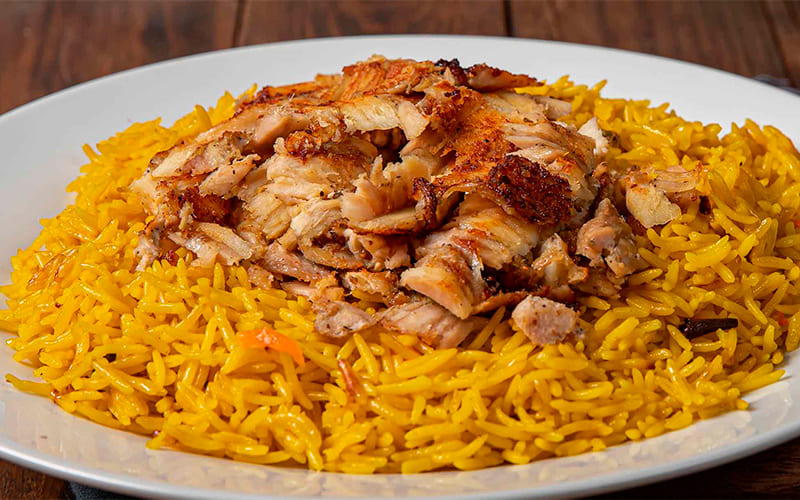
In addition to these, there are other dishes and sides such as Saleeg, a creamy rice cooked with milk and broth, as well as a wide variety of breads and sweets that complete and enrich the Saudi dining experience.
Sorry, the comment form is closed at this time.