



29 Abr Culinary History: The Gastronomy of Jamaica
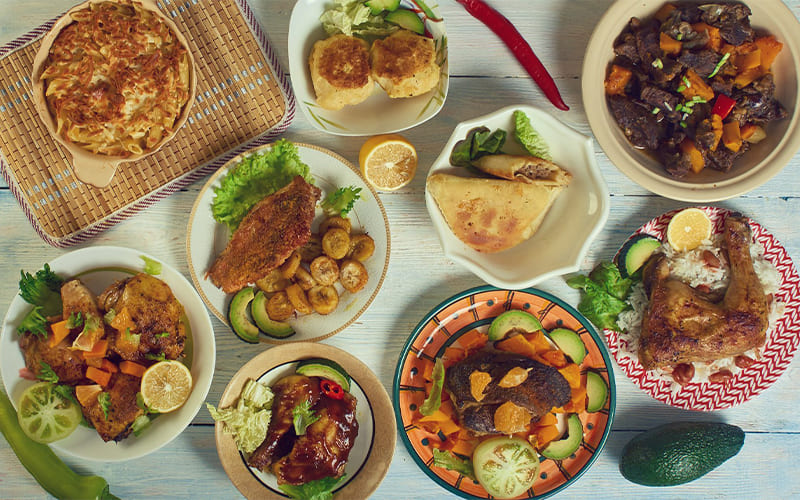
Jamaican cuisine is one of the most vibrant in the Caribbean, shaped by centuries of cultural blending. Its food reflects the meeting of Indigenous, African, European, and Asian influences, creating a culinary identity that is bold, aromatic, and full of character.
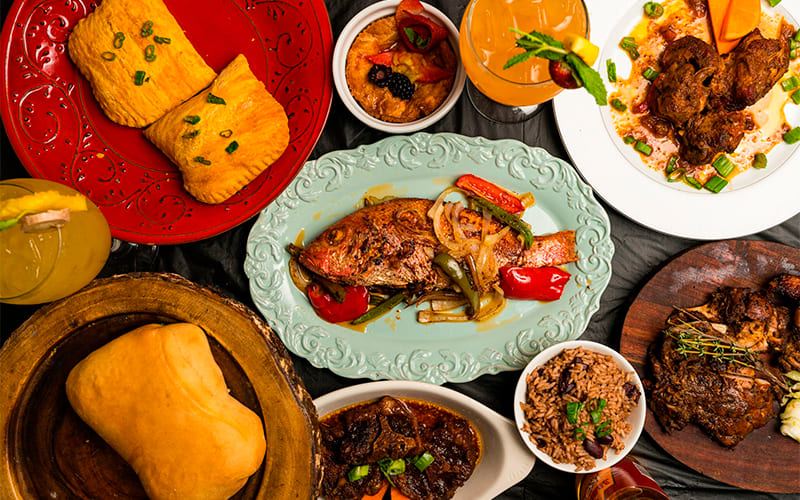
The Taíno people, the island’s first inhabitants, introduced essential ingredients such as cassava, corn, and different fish preparations. With Spanish colonization, new elements like pork, citrus fruits, and a variety of spices were added to the local diet. Later, African influence deeply shaped Jamaican cooking through ingredients such as yam, okra, and coconut, as well as techniques like smoking and the use of strong, spicy seasonings.
In the 19th century, immigrants from China and India arrived in Jamaica, bringing new flavours and culinary traditions. Their influence introduced curry blends and stir-frying methods that further expanded the island’s gastronomic repertoire.
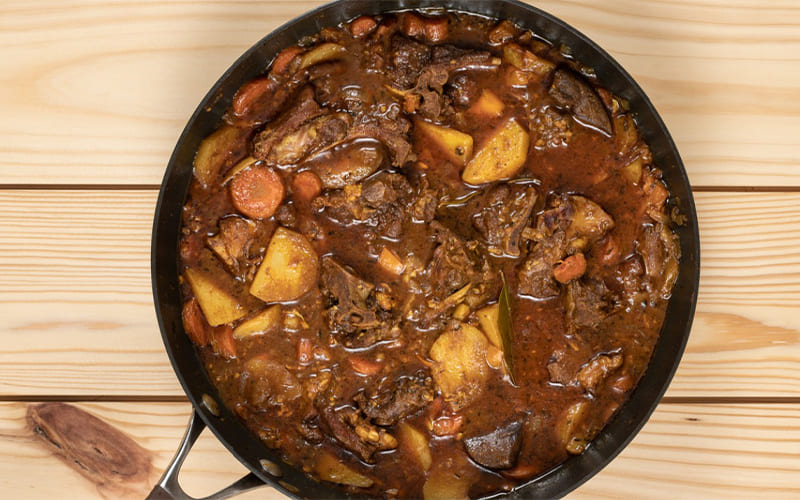
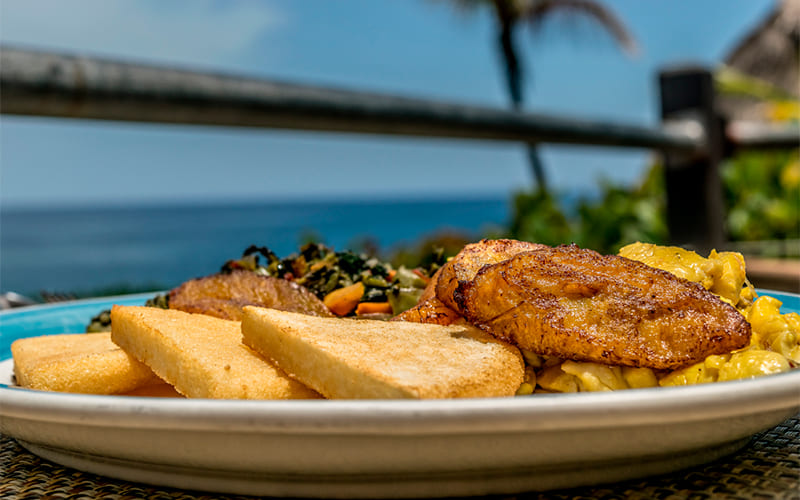
From this fusion came some of Jamaica’s most iconic dishes. Among them are Ackee and Saltfish, considered the national dish; the famous Jerk Chicken, marinated with intense spices and slowly cooked; Curry Goat, rich with aromatic spices; the popular Jamaican Patties filled with savoury ingredients; Bammy, a traditional cassava flatbread; and Sorrel, a refreshing drink commonly prepared during festive celebrations.
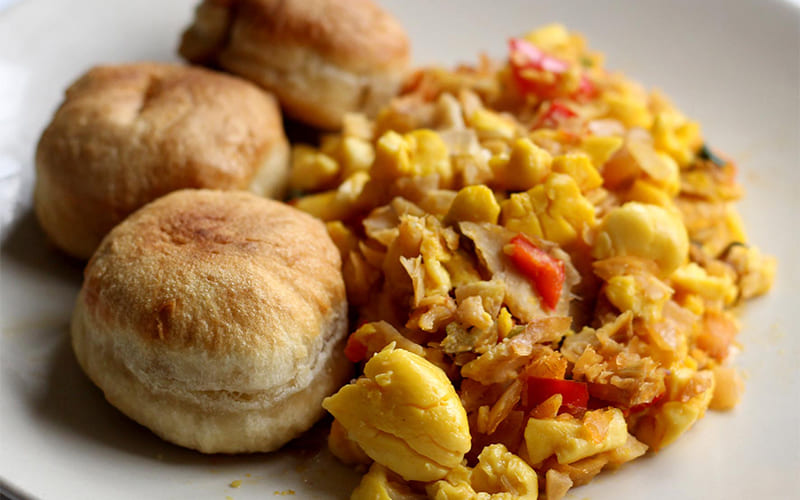
Each recipe tells a historical story of resilience, cultural exchange, and creativity. Jamaican cuisine does more than nourish the body—it reflects the living history of a multicultural society that transformed every influence into a unique explosion of flavour, colour, and tradition
Sorry, the comment form is closed at this time.