



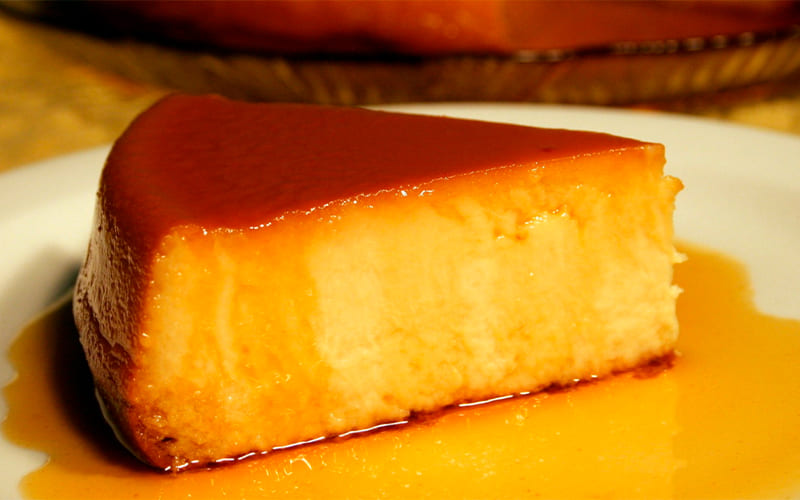
06 May Culinary History: The Origin of Bread Pudding
Bread pudding is one of those desserts born out of necessity… and it ended up becoming a true classic. Its origins go back to Europe, especially England, where the famous bread pudding was created as a way to use stale bread that could no longer be eaten on its own. From the 17th century (and even earlier in simpler versions), families—especially those with limited resources—would mix that leftover bread with milk, eggs, and sugar to avoid wasting food. Over time, the recipe traveled around the world and adapted in each country. In Latin America, it became a staple homemade dessert: affordable, filling, and perfect for sharing with family. Today, more than just a sweet treat, bread pudding is pure nostalgia—it tastes like home, like grandma’s cooking, and like making something special out of what you already have.
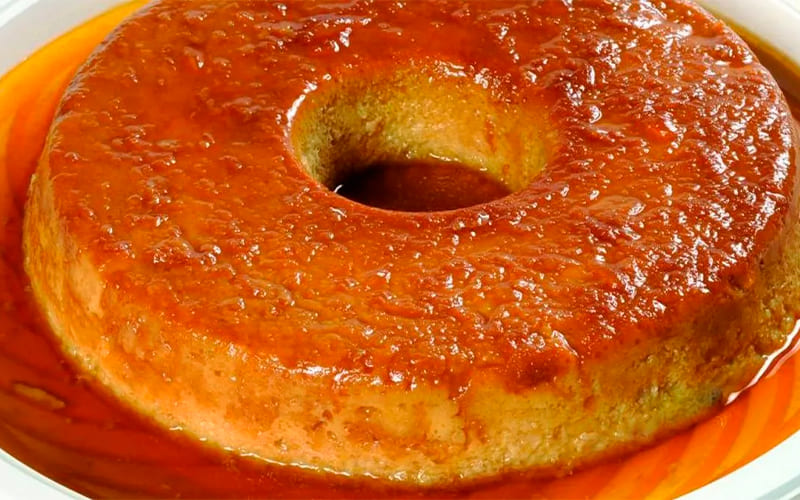
Basic Ingredients
- Stale bread (from the day before)
- Milk
- Eggs
- Sugar
- Vanilla essence
- Raisins (optional)
- Caramel for the mold
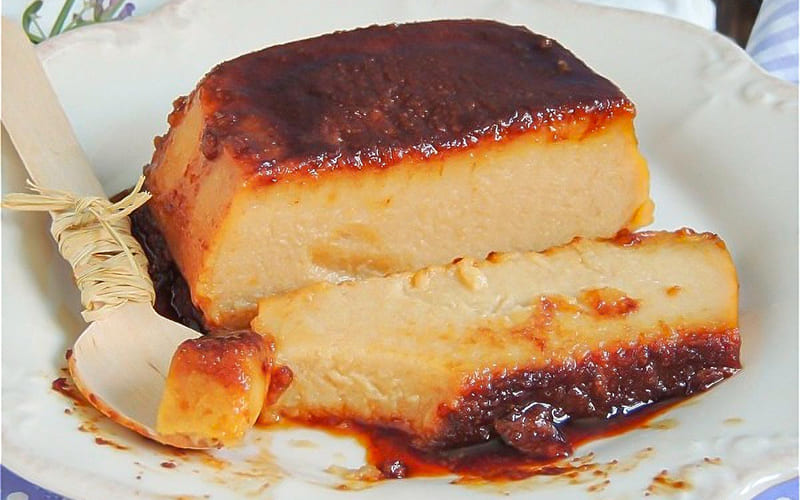
Step-by-Step Preparation
- Cut the bread into pieces and soak it in milk until it becomes very soft.
- Add the eggs, sugar, and vanilla. Mix well until you get a smooth, even mixture.
- You can add raisins, lemon zest, or whatever you have on hand.
- Pour caramel into the bottom of a mold to give it that classic sweet touch.
- Add the mixture and cook it in a water bath until firm.
- Once ready, let it rest before turning it out.
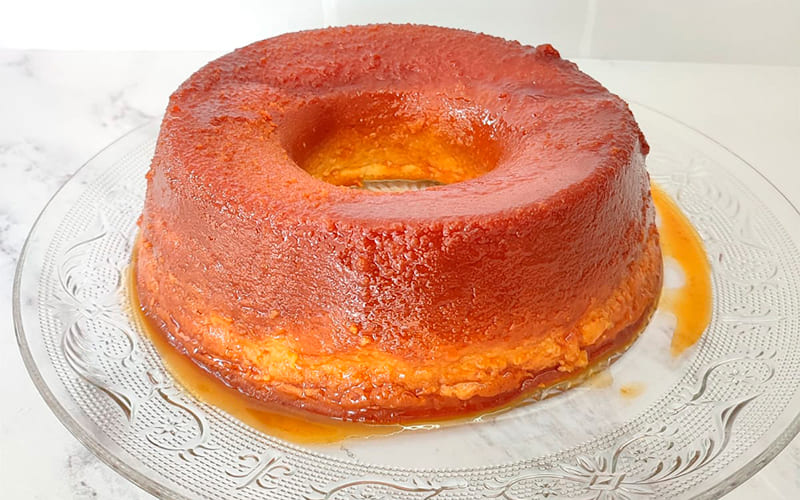
Bread pudding is proof that you don’t need expensive ingredients to make something amazing. With the basics, you can create a dessert that brings generations together and never fails. So now you know: if you have leftover bread, don’t throw it away… turn it into a delicious dessert that will definitely have everyone asking for more.
Sorry, the comment form is closed at this time.