



04 Feb Culinary History: Albanian Cuisine
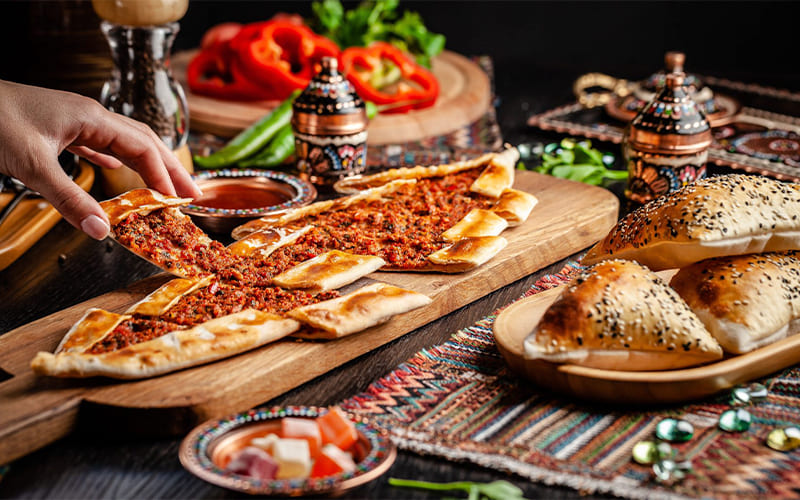
Albanian cuisine is a rich blend of Turkish, Balkan and Mediterranean influences that reflects the country’s history and geography. Rooted in the Mediterranean diet, lunch is usually the main meal of the day and often includes plenty of fresh vegetables, olive oil, and sides like yoghurt or cheese. This makes Albanian dishes both flavourful and well balanced, suitable for warm summers and cooler seasons alike.
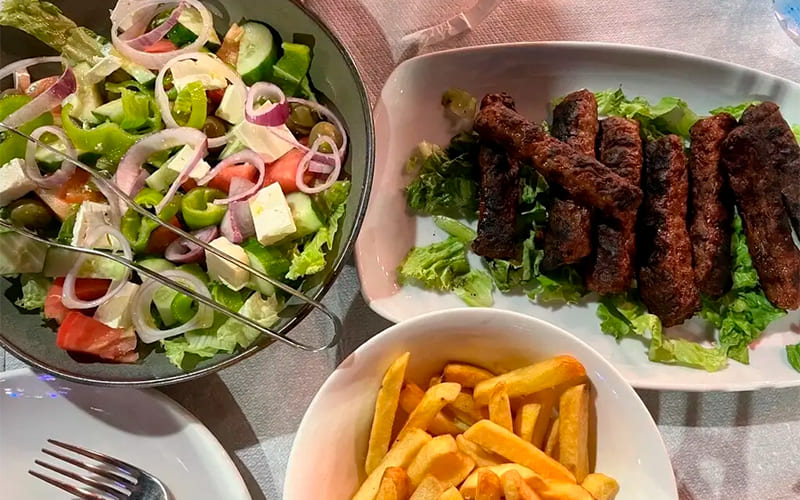
One of the most popular dishes is Byrek, a savoury pastry made with crispy filo dough and filled with ingredients such as spinach, gjizë cheese or meat. It is a true classic, widely enjoyed and easy to find in bakeries and cafés across Albania.
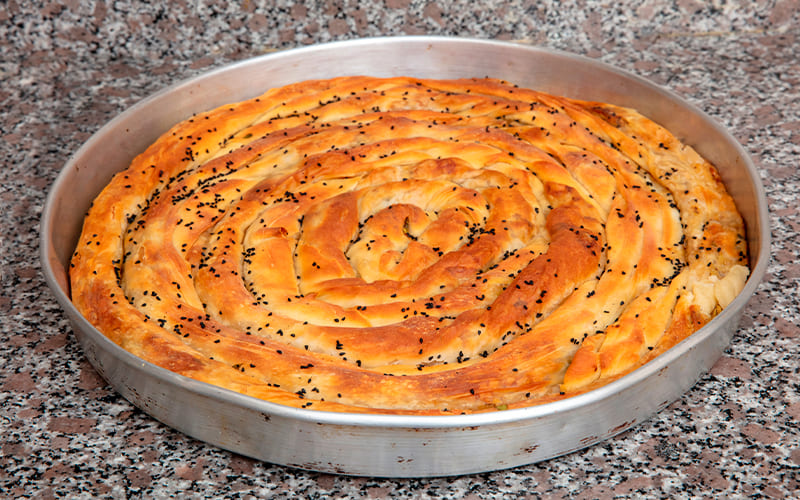
Another national favourite is Tavë Kosi, a baked casserole of lamb (sometimes prepared with rice) topped with a yoghurt and egg mixture that turns soft and creamy in the oven. Originally from the city of Elbasan, it is a comforting dish, often shared with family.
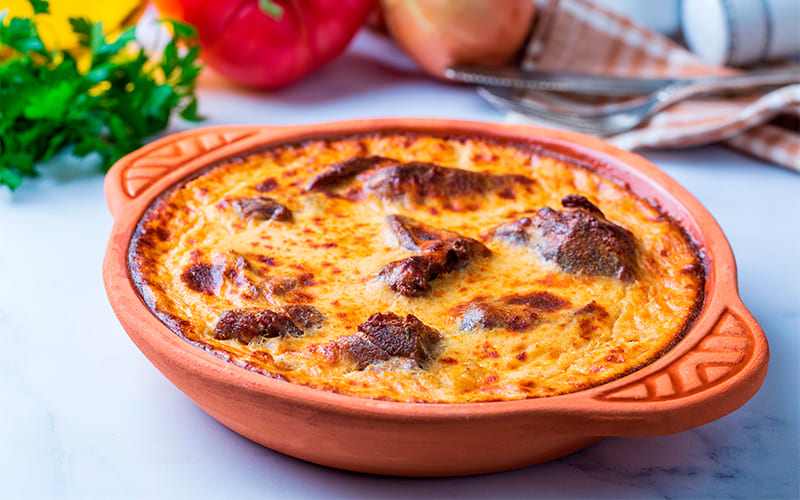
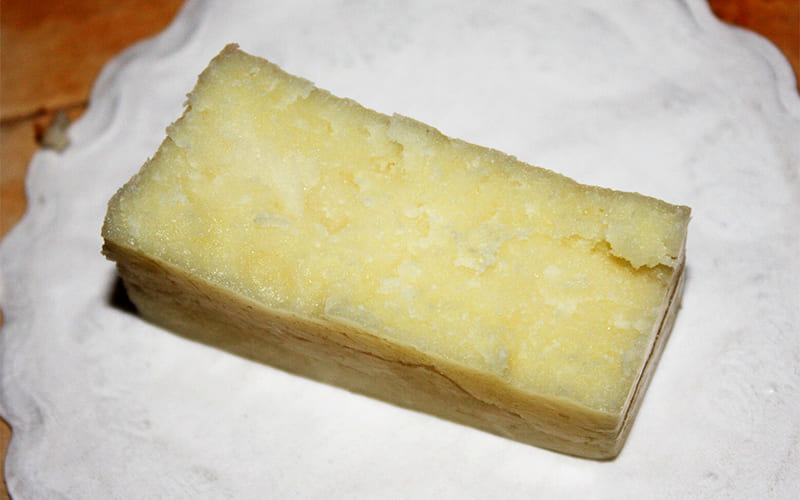
For cheese lovers, fried Kaçkavall is hard to resist. This salty yellow cheese is fried until golden on the outside and melted on the inside, creating a crunchy yet creamy snack or side dish.
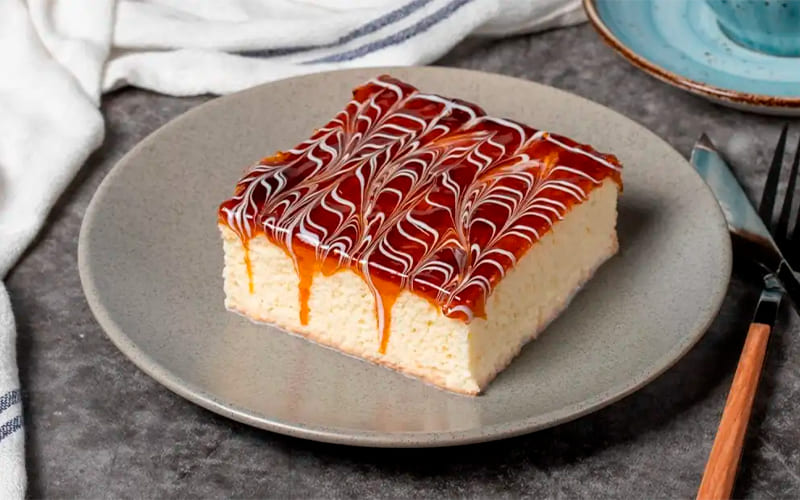
Those with a sweet tooth will enjoy Trileçe. Inspired by the Latin American tres leches cake, this sponge cake is soaked in three types of milk—condensed milk, evaporated milk and cream—and usually topped with caramel, offering a pleasing mix of textures and flavours.
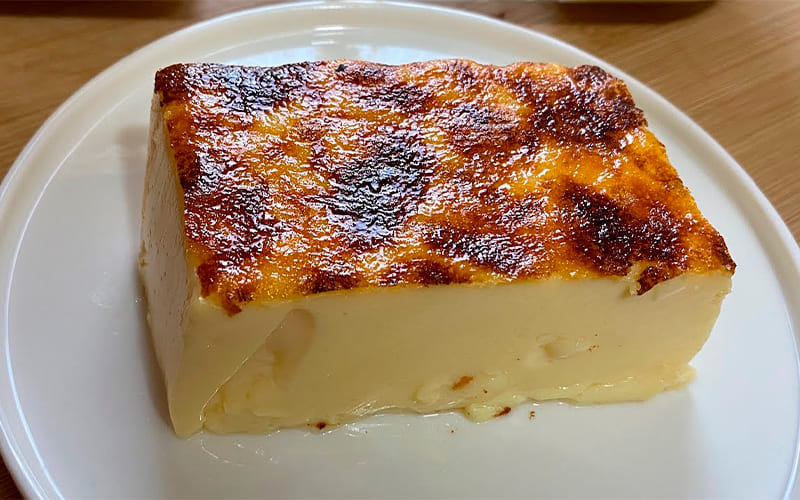
Another traditional dessert is Qumështor, a baked custard made with eggs, milk, flour, butter and sugar. It is baked until lightly golden and is especially popular before Lent.
Albanian gastronomy reflects its place between different cultures: simple dishes, fresh ingredients and recipes that have travelled and evolved over time. Exploring these foods is a delicious way to experience a cuisine shaped by both Mediterranean and Balkan traditions.
Sorry, the comment form is closed at this time.