




15 Abr Culinary History: Gastronomy of Uruguay
Uruguayan gastronomy reflects the country’s history, geography and cultural identity. In Uruguay, meat is much more than just food; it is a national symbol. Thanks to its vast grasslands and strong cattle-raising tradition, the country produces beef that is recognised around the world for its quality, flavour and distinctive cuts. The traditional asado, slowly cooked over charcoal, is not just a meal but a social ritual that brings families and friends together around the fire.
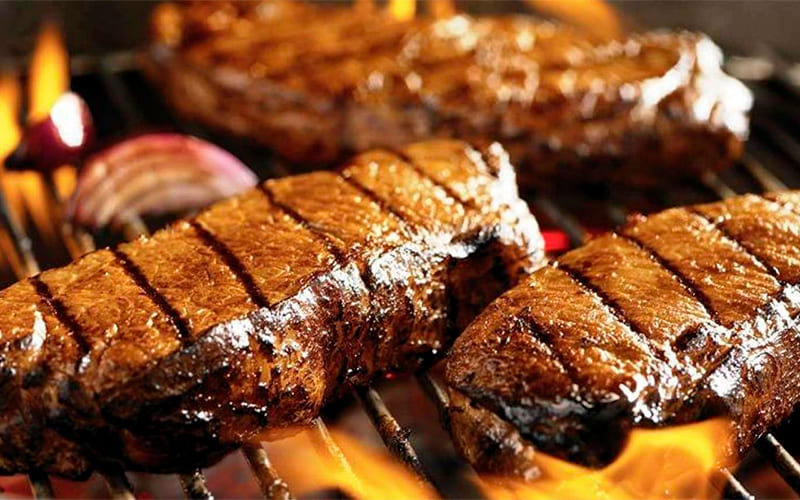
During the 19th century, the arrival of immigrants from Spain and Italy deeply influenced the culture of Uruguay. Their impact can be seen in the language, customs and especially in the cuisine. From this cultural fusion emerged many dishes that today form part of the country’s traditional culinary heritage.
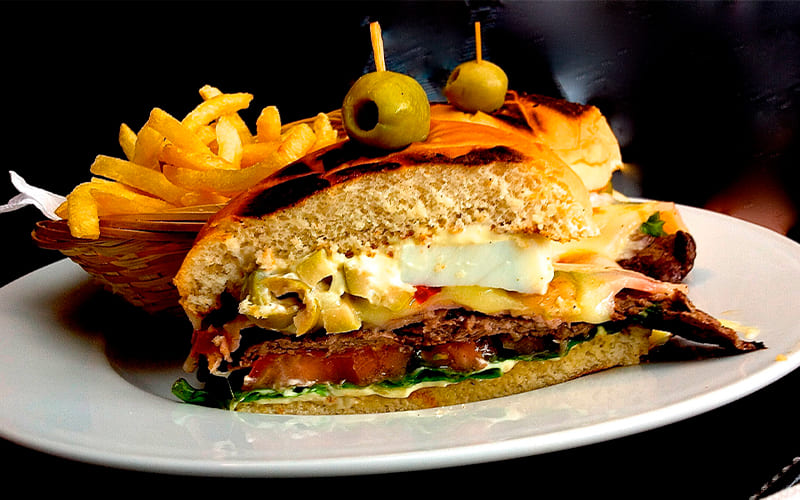
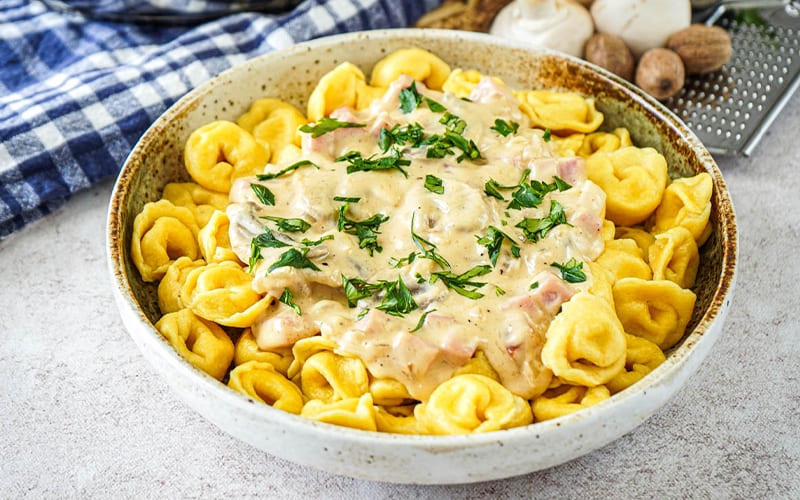
Among the most popular are Capeletis a la Caruso, a stuffed pasta served with a rich creamy sauce made with ham, mushrooms and cream. Another beloved dessert is Arroz con Leche, a rice pudding inherited from Spanish culinary traditions and commonly prepared in many homes across the country. Farinata, which has Italian roots, is also very popular and is made from chickpea flour baked into a thin savoury flatbread.
Another iconic dish is the Chivito, widely considered one of Uruguay’s national foods. It is a generous sandwich made with beef, vegetables, egg and other toppings.

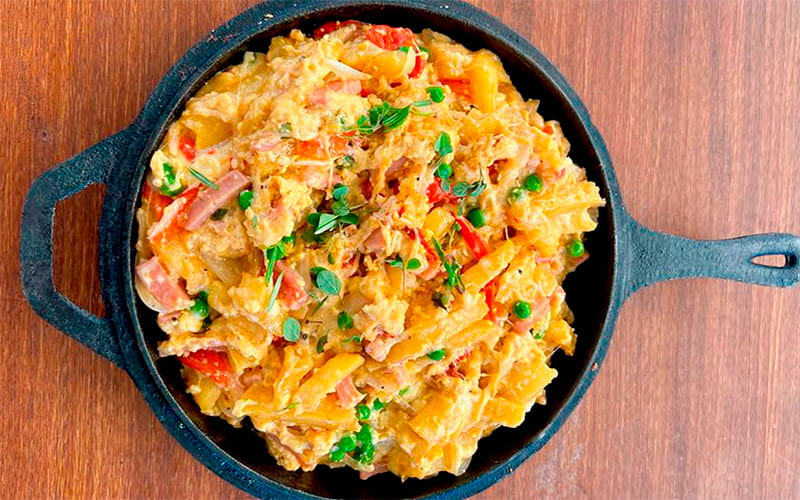
The Revuelto Gramajo, a mix of fried potatoes, eggs and ham, is another favourite commonly served in bars and restaurants.
To end on a sweet note, the famous Chajá stands out. This traditional dessert made with meringue, cream and fruit perfectly represents the creativity and sweetness of Uruguayan cuisine.

Sorry, the comment form is closed at this time.