



07 Ene Culinary History: The Gastronomy of Lesotho
The food culture of Lesotho reflects life in a highland country with cool weather and strong rural traditions. Influenced by South Africa yet maintaining its own identity, the cuisine is simple, nourishing, and based on local ingredients such as maize, sorghum, leafy vegetables, and lamb. The dishes are comforting, designed to provide energy for communities that have long depended on farming and herding.
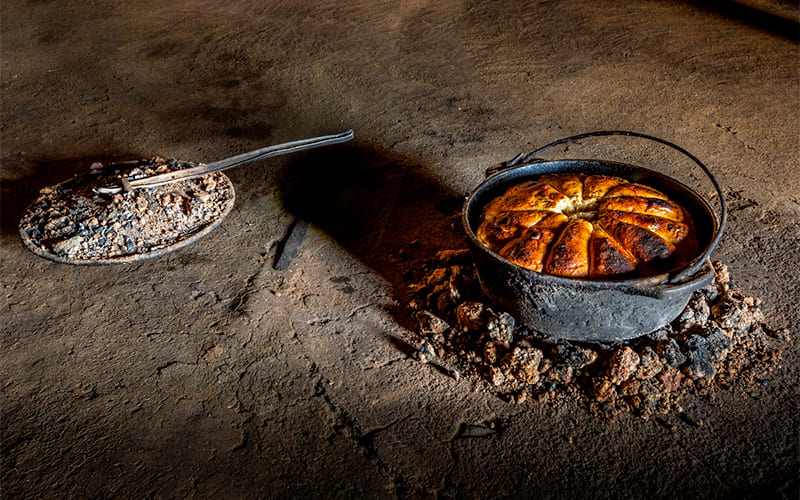
One of the pillars of Basotho food is the use of grains. Maize appears in many preparations, while sorghum—an important climate-resistant cereal—remains essential in the daily diet. Meals are usually served with locally grown vegetables and meat raised on small family farms. Although the cuisine is not very spicy, it is rich in flavour thanks to slow cooking and traditional techniques.
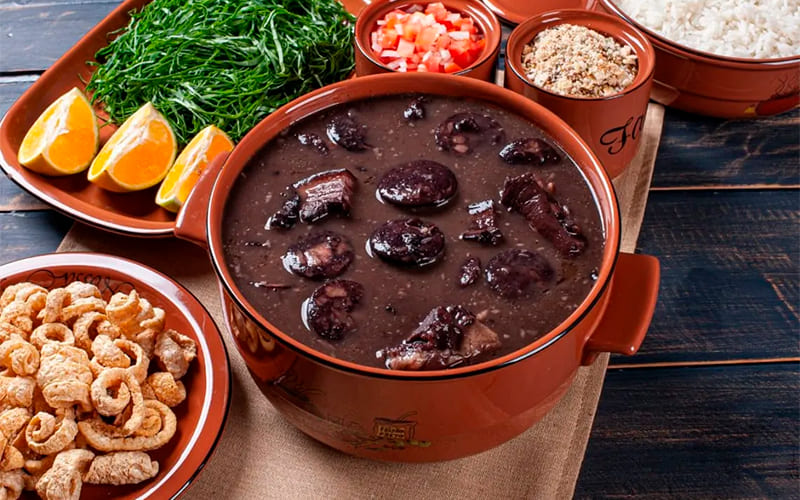
Among the five most representative dishes of Lesotho are:
Papa (or pap): A thick maize porridge that accompanies almost every meal.
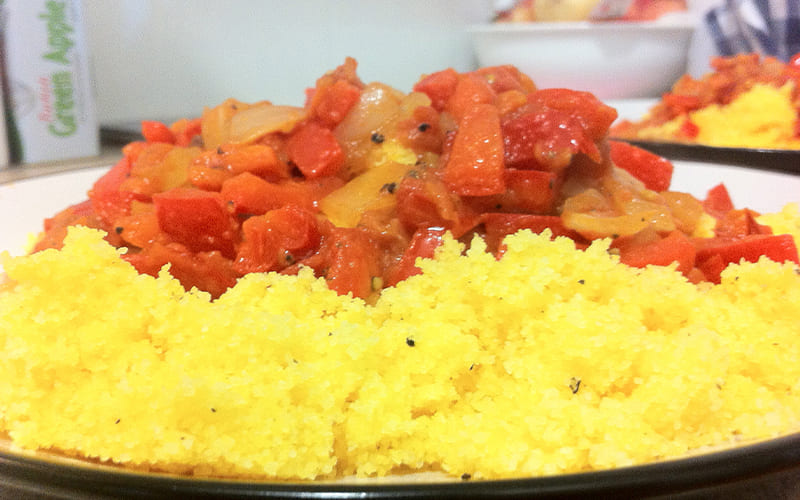
Motoho: A slightly fermented sorghum porridge, refreshing and nourishing.
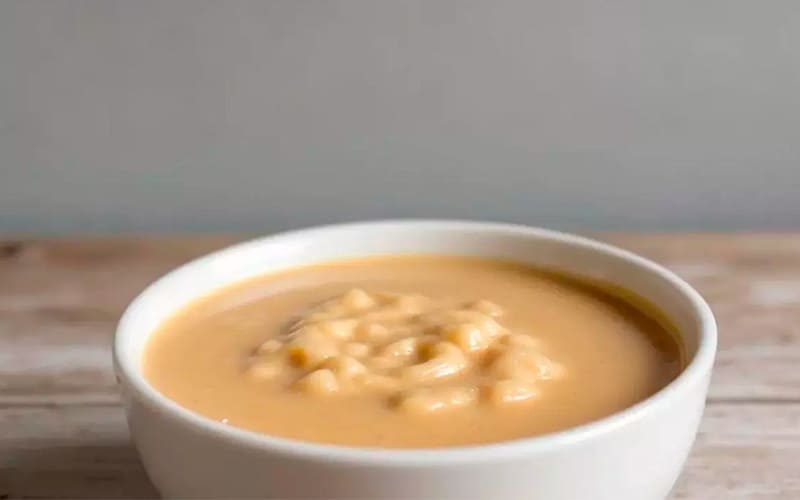
Mala/Maluti chicken: Chicken cooked with vegetables, often prepared for celebrations.
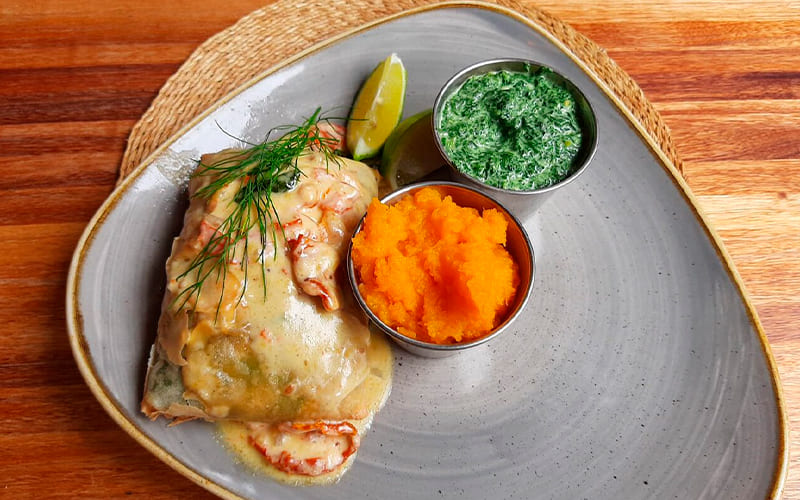
Likhobe: A slow-cooked stew of beans and maize grains.
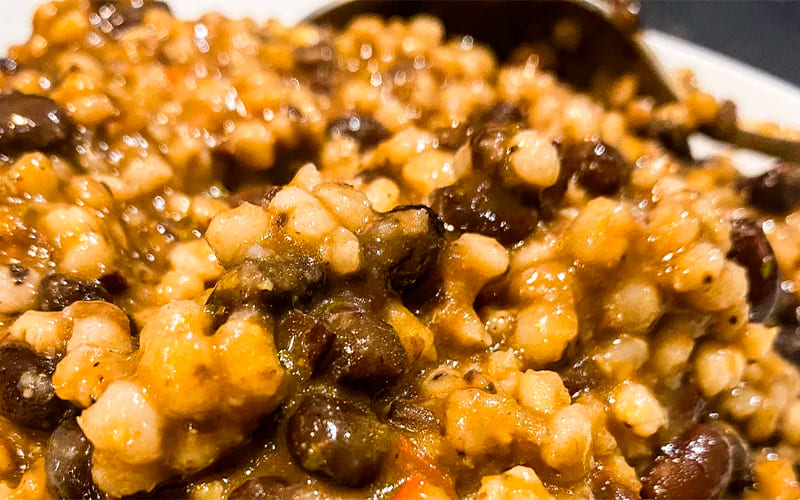
Nyekoe: A mix of beans, maize, and spinach, very popular in rural areas.
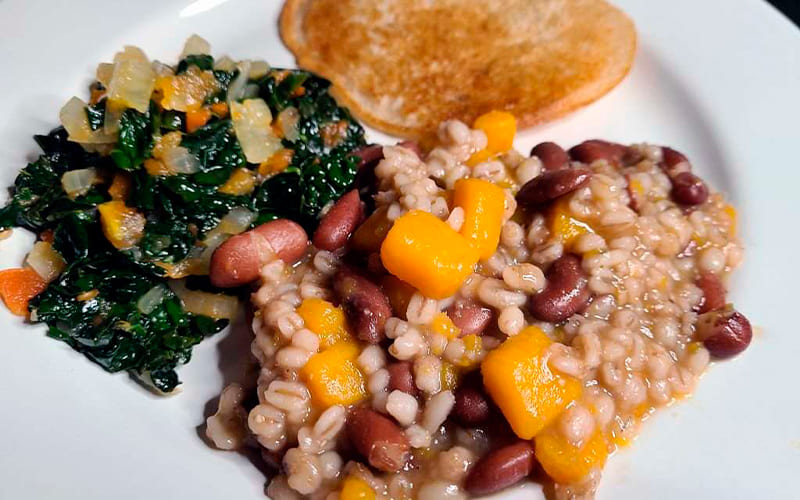
Lesotho’s cuisine is humble yet authentic—a gastronomy that invites visitors to discover the country through flavours that tell the story of its land, its people, and its cultural identity.
Sorry, the comment form is closed at this time.