



19 Nov Culinary History: The Origin of Kebab
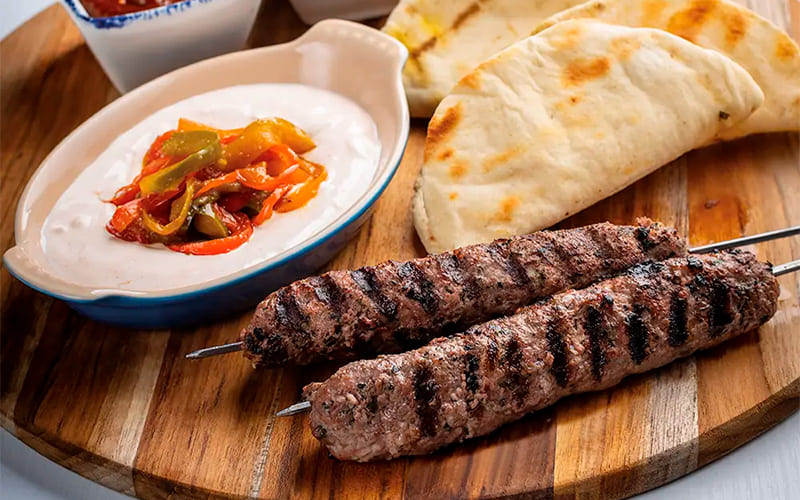
The kebab, one of the most popular dishes worldwide, originated in the Middle East and reflects centuries of culinary tradition and cultural adaptation. Its name comes from the Arabic kabāb, meaning “grilled meat,” referring to the technique of cooking meat directly over fire or embers. Originally, kebabs were prepared by nomads and warriors, who would skewer pieces of meat and cook them outdoors, taking advantage of the method’s practicality and speed.
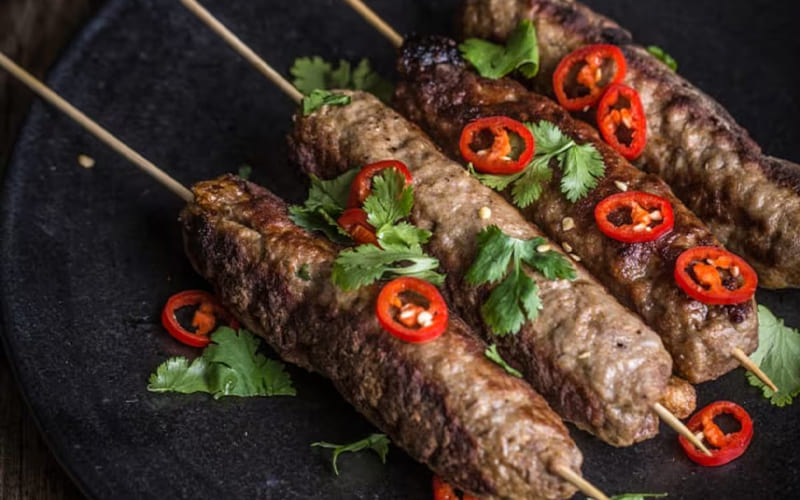
Over the centuries, this recipe spread through Persia, Anatolia, and the Levant, adapting to local ingredients and spices. In Turkey, for example, the famous döner kebab emerged, where meat is cooked on a vertical rotisserie and served thinly sliced with bread, vegetables, and sauces.

The arrival of Turkish and Arab immigrants in Europe during the 20th century popularized kebabs in Germany, the United Kingdom, and other countries, turning it into a globally recognized street food.
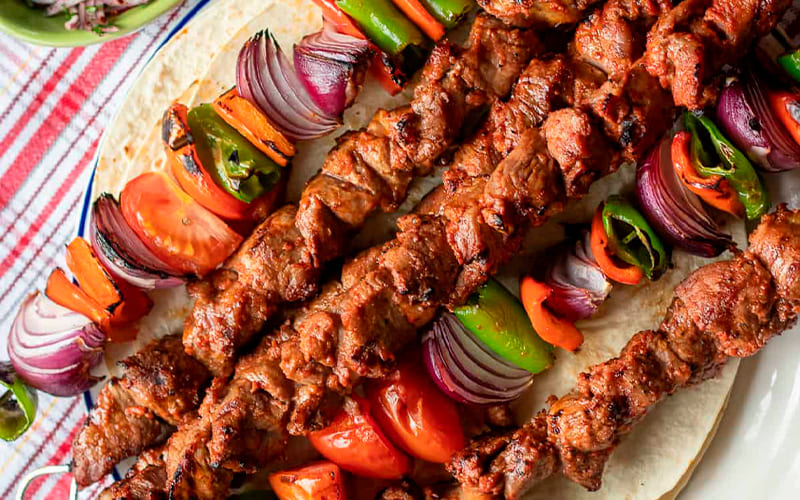
Today, kebabs are enjoyed in countless variations: with lamb, chicken, beef, or even vegetarian options, accompanied by flatbread, rice, or salads. Its success lies in the combination of flavour, convenience, and versatility, making it a symbol of the fusion between ancient tradition and contemporary culture. The kebab is not just a dish—it is a story of migration, adaptation, and the celebration of taste.
Sorry, the comment form is closed at this time.