



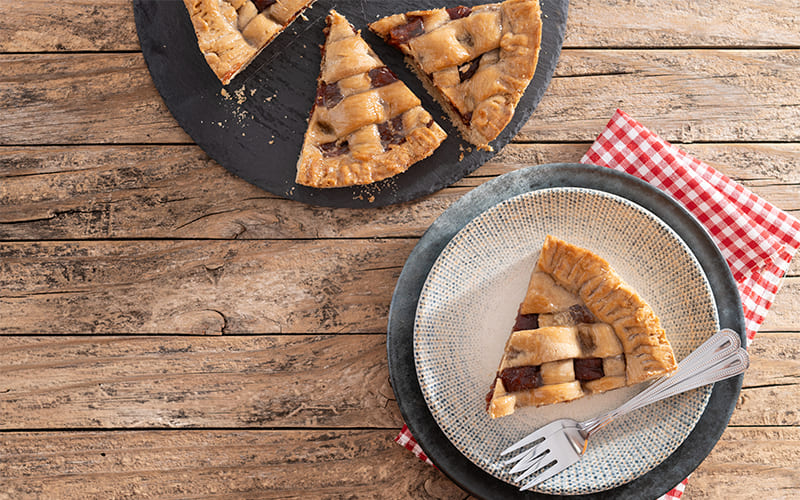
20 May Culinary History: The Origin of Pastafrola
Pastafrola is one of those desserts that feels very local, but it actually has European roots. Its story begins in Italy, where there was a preparation called pasta frolla, a sweet and crumbly dough used to make tarts like the famous crostata.
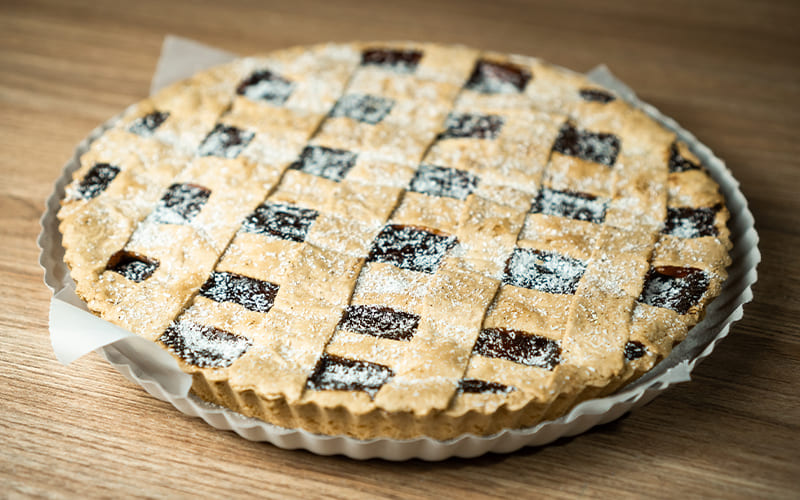
Over time, this recipe crossed the ocean with Italian immigrants who arrived in South America between the 19th and 20th centuries. That’s where things changed—the recipe adapted to local ingredients and regional tastes, giving rise to the pastafrola as we know it today.
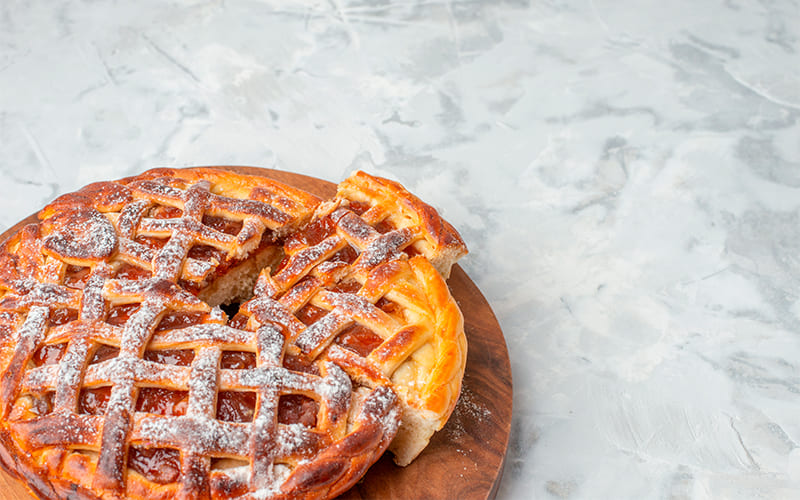
Instead of European jams, people started using quince paste, sweet potato paste, or guava paste. That twist was key in turning it into a classic in countries like Argentina, Uruguay, and Paraguay. Today, pastafrola is all about snack time, coffee breaks, and sharing with family—those simple moments everyone enjoys.
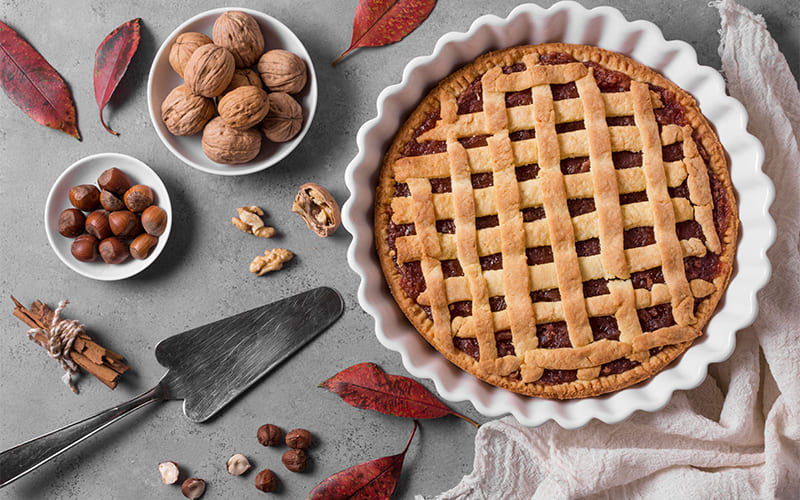
Basic ingredients
- Flour
- Butter or margarine
- Sugar
- Eggs
- Lemon zest or vanilla
- Quince paste (the most traditional)
- You can also use guava paste, sweet potato paste, or dulce de leche
Step-by-step preparation
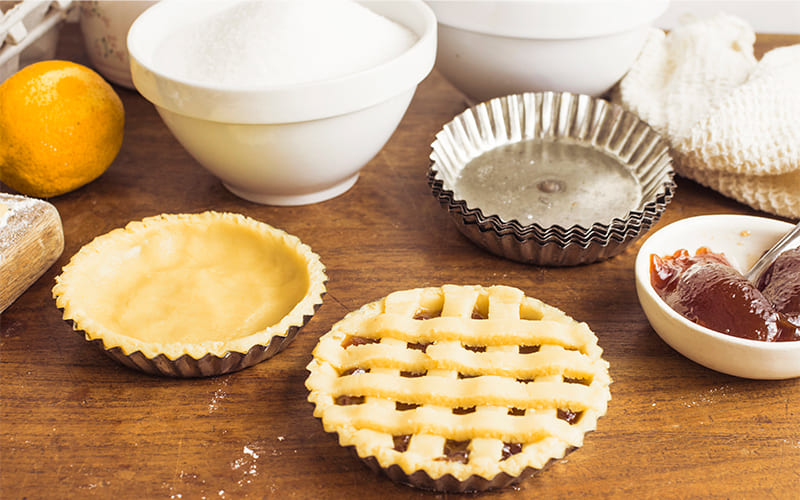
- Mix the butter and sugar, add the eggs, then gradually add the flour until you get a soft dough.
- Chill the dough in the fridge for a few minutes so it firms up.
- Roll out part of the dough and place it in a baking pan, covering the base well.
- Spread the filling (quince, guava, or your choice) evenly.
- With the remaining dough, make strips and place them on top in a lattice pattern.
- Bake until the crust turns golden brown.
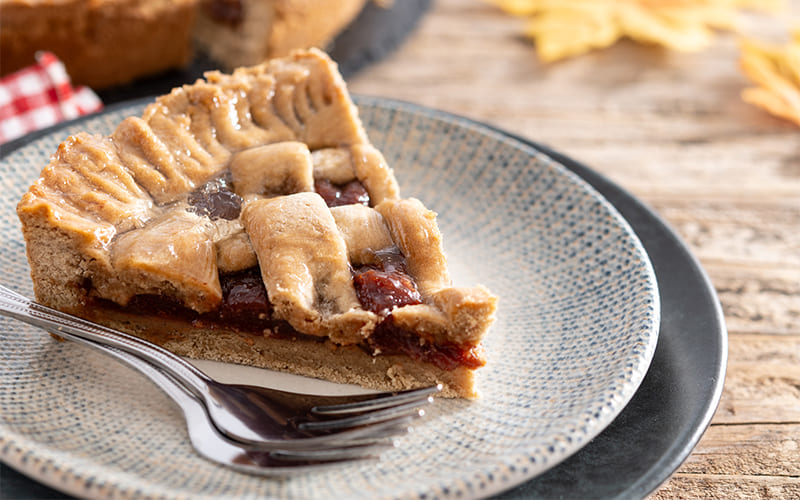
Pastafrola is a perfect example of how a recipe travels, evolves, and becomes part of a new culture. And let’s be honest—it doesn’t matter if it’s quince or guava… what matters is that it’s well made and enjoyed with a good cup of coffee, mate, or even a refreshing drink like papelón with lemon for a Caribbean touch.
Sorry, the comment form is closed at this time.