




04 Feb Discovering the Magnitude of Serengeti: A Wildlife Sanctuary
Serengeti National Park, a natural gem in Tanzania, spans 14,763 square kilometers of plains, savannahs, and forests, offering an unparalleled wildlife spectacle. Its name, meaning “endless plain” in Maasai, reflects the vast expanse of this sanctuary, a region of stunning beauty and vibrant biodiversity.
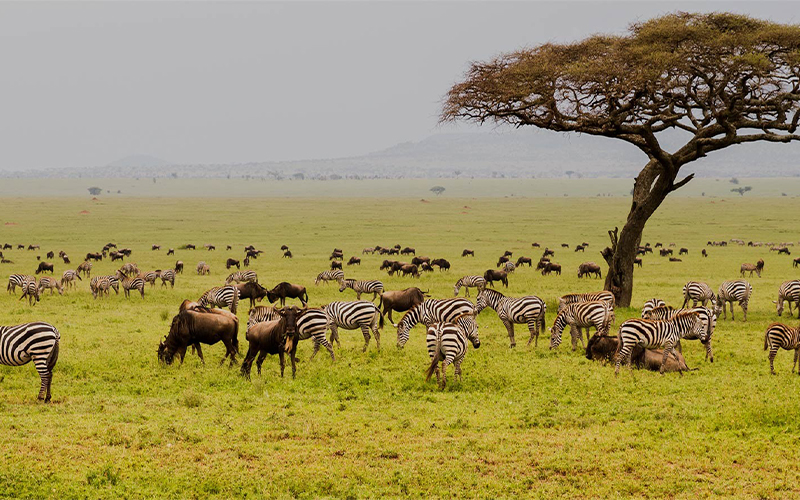
Located on a plateau between the Ngorongoro Highlands and stretching nearly to Lake Victoria, Serengeti is one of the world’s most iconic wildlife regions. Its landscape is dotted with kopjes—rock outcrops rising like islands in the vast plain—and crisscrossed by rivers that provide essential habitats for a remarkable variety of birds, mammals, and reptiles.
Serengeti is renowned not just for its landscape, but for the Great Migration of wildebeests, one of the planet’s greatest natural wonders. This massive migration, with herds stretching over ten kilometers, is a spectacle of endurance and determination, closely followed by predators seizing the opportunity. This ancient instinct to move is so strong that neither drought nor crocodile-infested rivers can halt it.
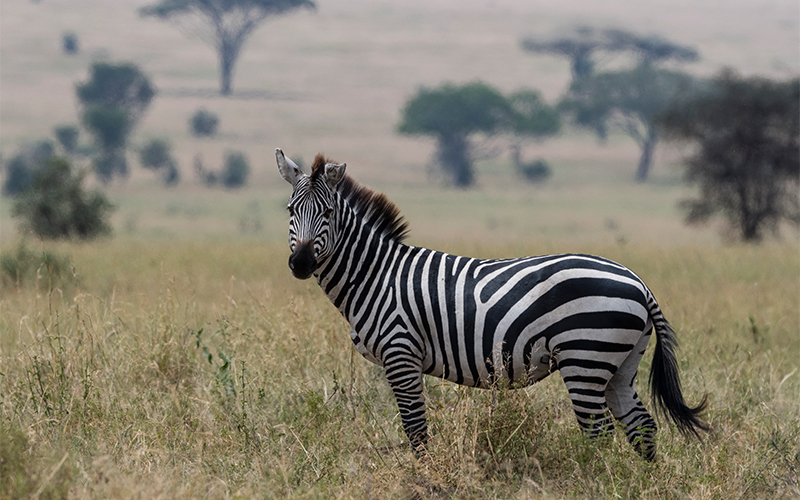
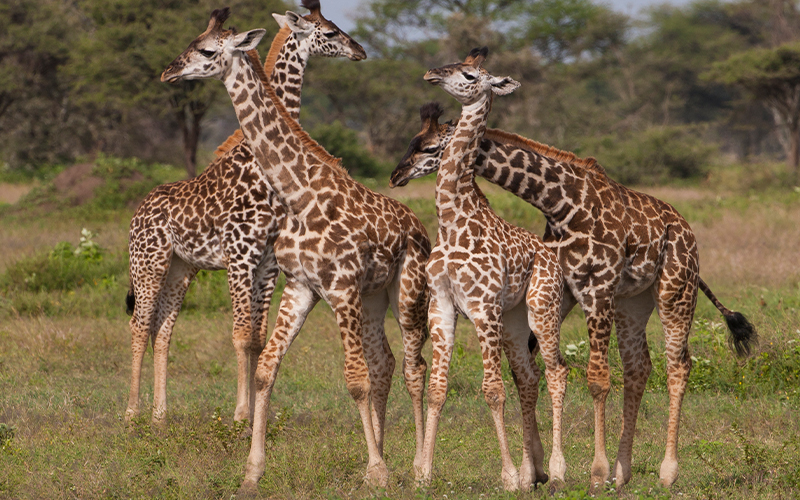
Among the abundant mammals in the park are warthogs, leopards, cheetahs, and elephants, with a population of around 1,500. Additionally, black rhinos, hippos, giraffes, buffaloes, and an impressive variety of antelopes and gazelles can be found. Smaller predators such as the bat-eared fox and honey badger also call Serengeti home.
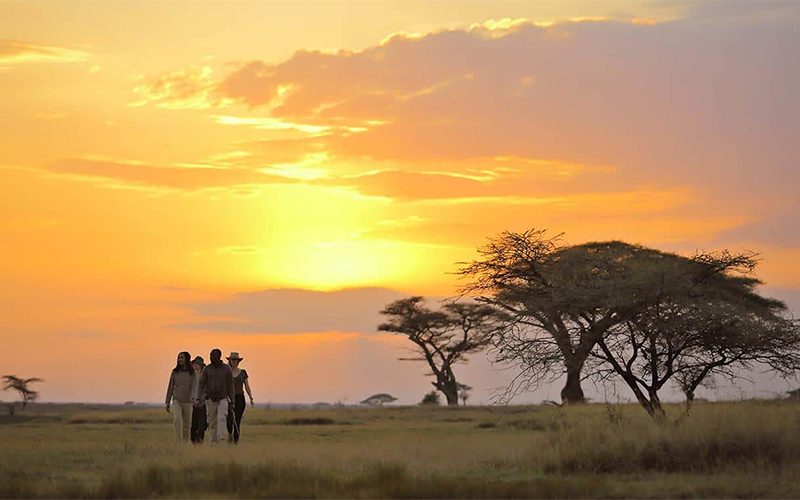
The park is a paradise for bird watchers, with around 350 species recorded, including 34 types of raptors, six vulture species, and iconic birds like ostriches and flamingos. This avian diversity reflects the rich variety of habitats Serengeti offers.
Sorry, the comment form is closed at this time.