



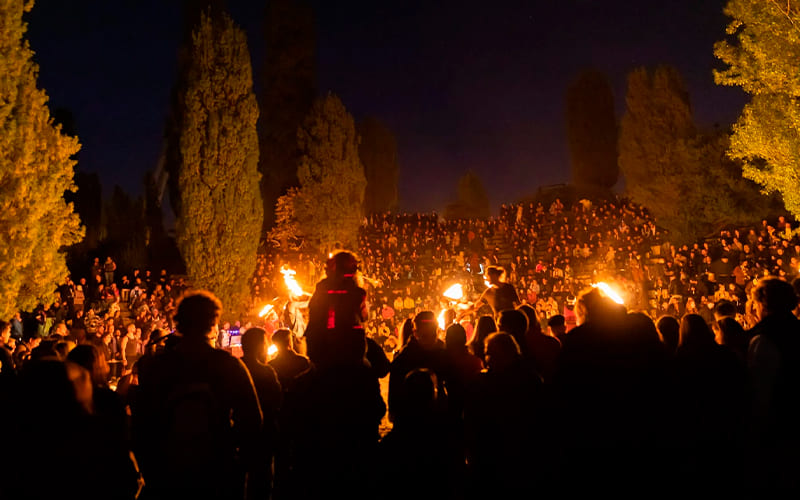
27 Abr Germany Celebrates the Traditional Walpurgis Night
Every 30 April, Germany fills with mystery as it celebrates Walpurgis Night, an ancient tradition rich in symbolism that blends legends, history, and popular festivities. The celebration is especially famous in the Harz Mountains, in central Germany, where thousands of people gather to welcome spring with music, costumes, and large bonfires.
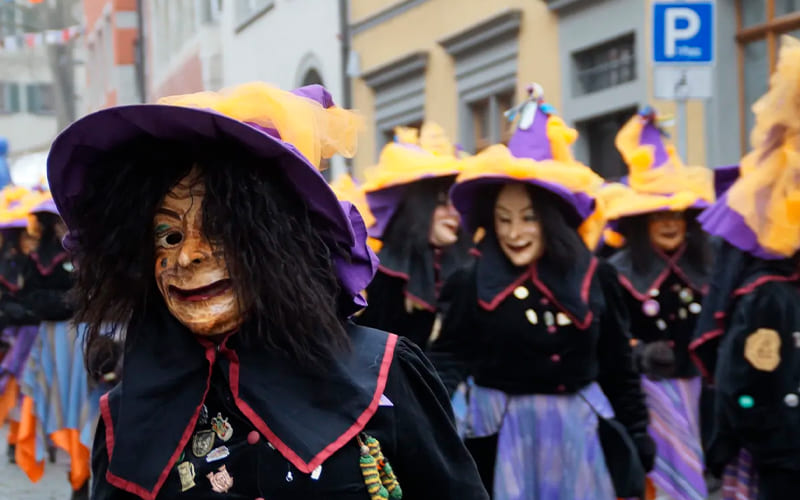
According to popular tradition, on the last night of April witches fly on their brooms to the top of the Brocken, the highest mountain in the Harz range, where they hold a ritual gathering while waiting for the arrival of summer. This legend has become one of the best-known elements of German folklore and has inspired important literary works such as Faust by Johann Wolfgang von Goethe.
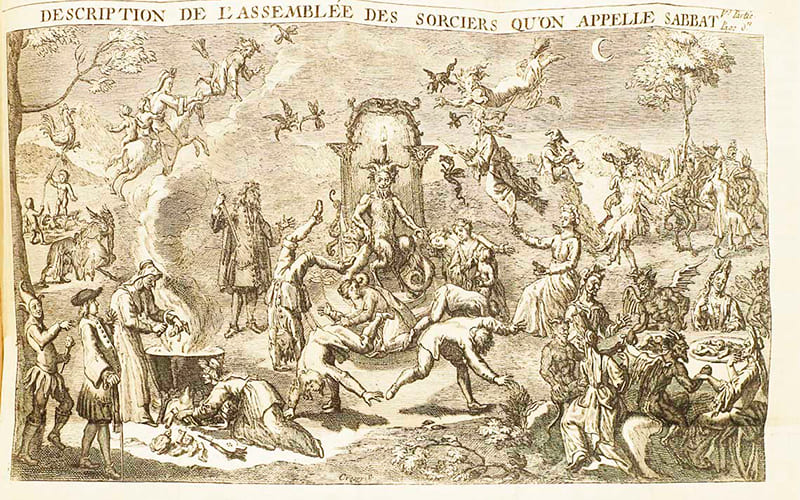
However, the origin of this celebration is much older. Before the arrival of Christianity, Germanic tribes held rituals to say farewell to winter and welcome spring, with feasts, music, and offerings dedicated to their gods. Over time, these traditions merged with the Christian celebration dedicated to Saint Walburga, from whom the festival takes its name.
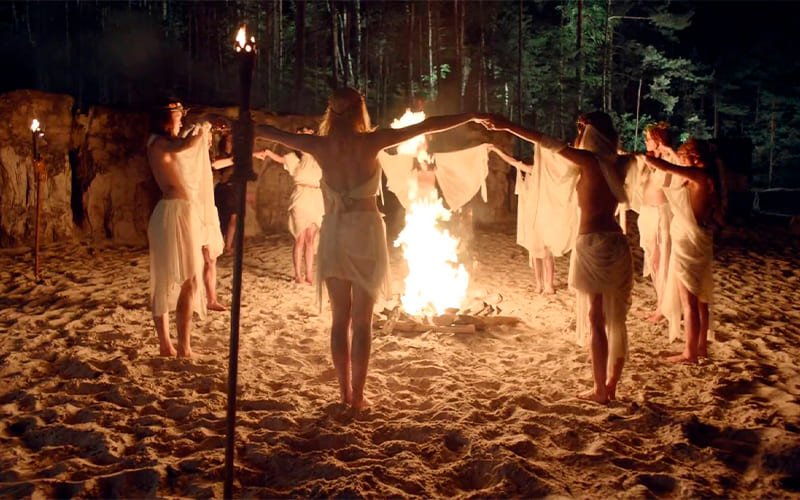
Today, Walpurgis Night is experienced as a great popular festival. In many towns and cities, people dress up as witches and devils, take part in parades, and light large bonfires to symbolise the end of winter and drive away evil spirits. It is also common for young people to play pranks on their neighbours while music and dancing continue late into the night.
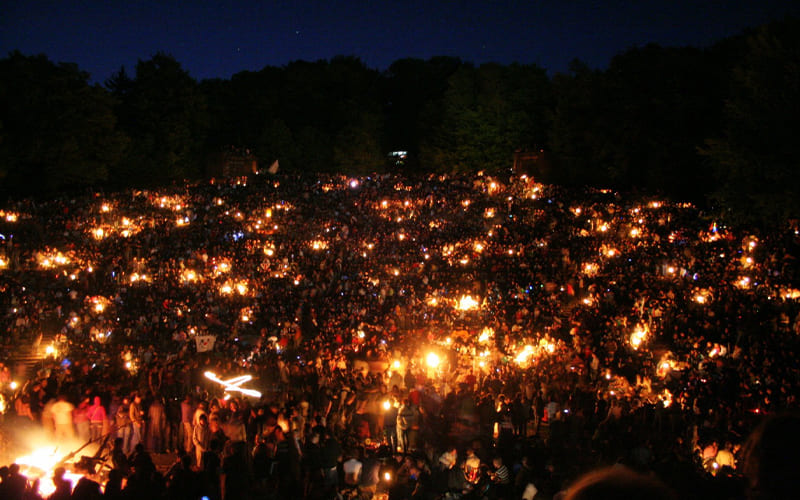
When midnight arrives, the celebration reaches its peak with the symbolic welcome of the May Queen, a figure that represents the rebirth of nature and the beginning of a new season filled with light, fertility, and prosperity. Through myths and traditions, Germany bids farewell to winter with one of the most magical nights of its cultural calendar
Sorry, the comment form is closed at this time.