



09 Mar Las Fallas of Spain
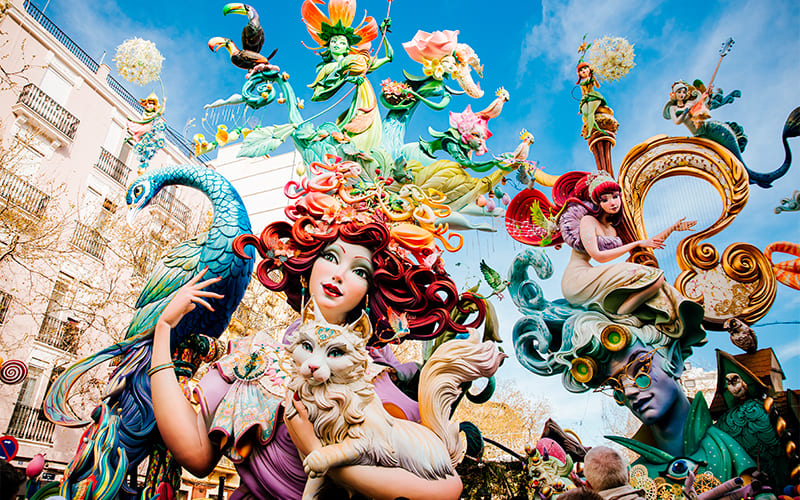
Every spring, the city of Valencia comes alive with one of Spain’s most spectacular festivals: Las Fallas, recognised by UNESCO as Intangible Cultural Heritage of Humanity in 2016. For African travellers who enjoy vibrant celebrations, public art and strong community spirit, this festival offers an unforgettable cultural experience. For months, local artists create huge, temporary sculptures made of wood and papier-mâché that fill the streets with colour, creativity and satire—only to be finally consumed by fire.
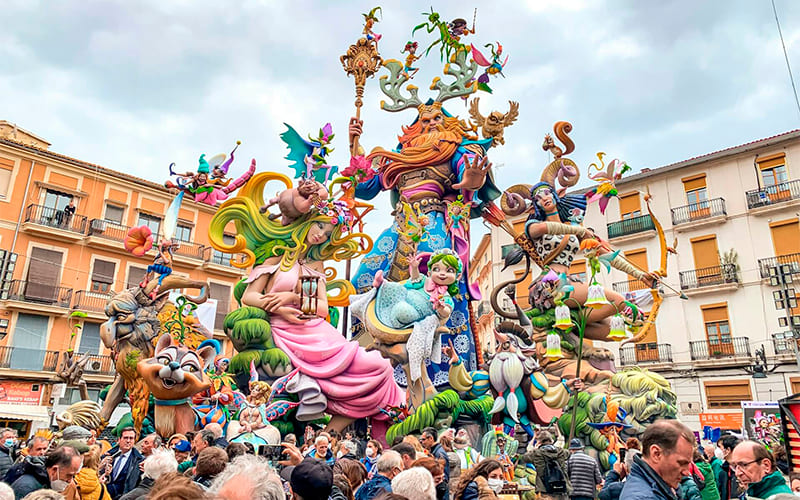
The origins of Las Fallas go back to the wooden structures used by carpenters, known as parots, which were traditionally burned on the eve of Saint Joseph’s Day. Over time, these simple figures evolved into today’s ninots: large artistic monuments that use humour to comment on political, social and cultural issues, much like storytelling traditions found across Africa.
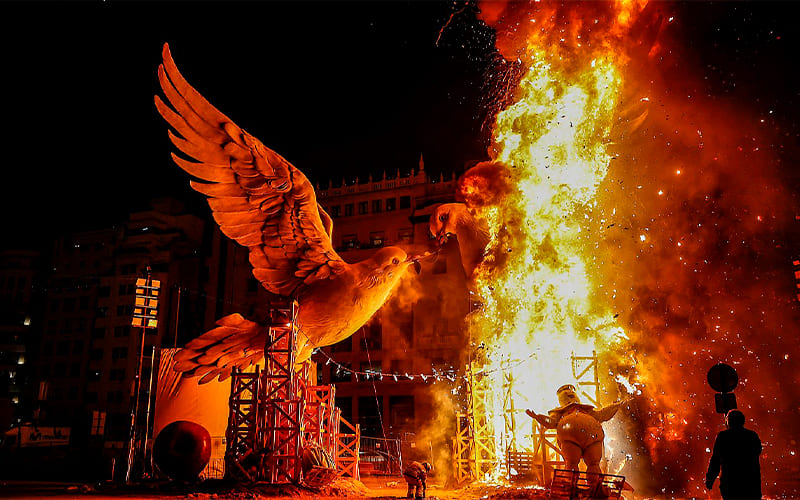
Although the main celebrations take place around 19 March, the festive atmosphere begins on 1 March with the mascletás, powerful daily fireworks displays in the City Hall Square. On the night of the 15th, the plantà takes place, when more than 700 fallas are installed throughout the city. On the 17th and 18th, the emotional floral offering to the Virgin of the Helpless forms a giant flower mantle over 14 metres high.
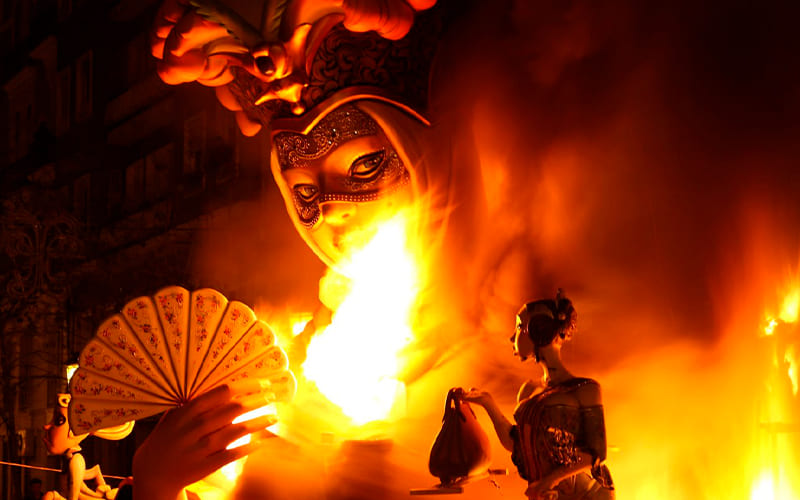
The grand finale comes on the night of 19 to 20 March with the cremà, when all the monuments are set on fire, except for one ninot saved by popular vote and preserved in the Fallas Museum. Music, fireworks, traditional clothing, street parties and local food complete this unique celebration. Beyond Valencia, towns such as Alzira, Sagunto and Gandía also celebrate Las Fallas, keeping alive a tradition where art, humour and fire take centre stage—elements that strongly resonate with many African festive cultures.
Sorry, the comment form is closed at this time.