




20 Jul Understanding Restricted Items When Traveling by Air
Travelling by air offers convenience and efficiency, but it also comes with regulations regarding what items passengers can bring onboard. Understanding which items are restricted can help ensure a smooth and hassle-free travel experience. Here’s a brief overview of common items that are typically prohibited on airplanes:
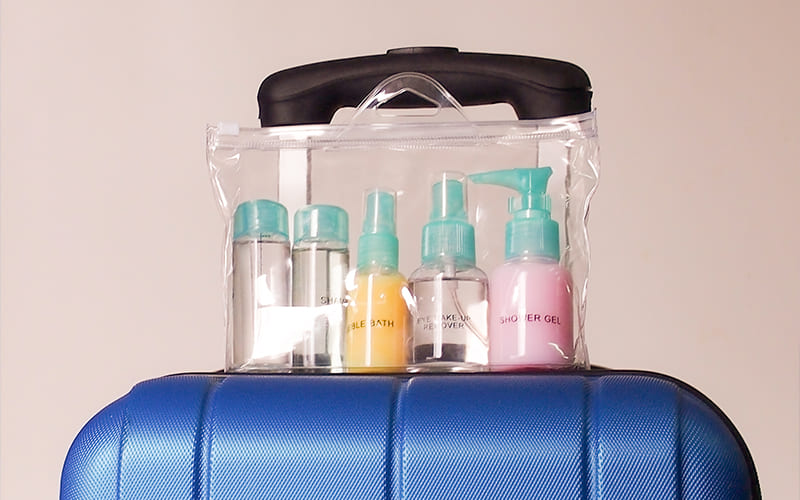
Liquids, Gels, and Aerosols: Passengers are generally limited to carrying liquids, gels, and aerosols in containers of 100 millilitres (3.4 ounces) or less per item. These containers must be placed in a clear, resealable plastic bag and presented separately during security screening. Larger quantities of liquids, such as full-sized bottles of shampoo or perfume, are not permitted in carry-on baggage.
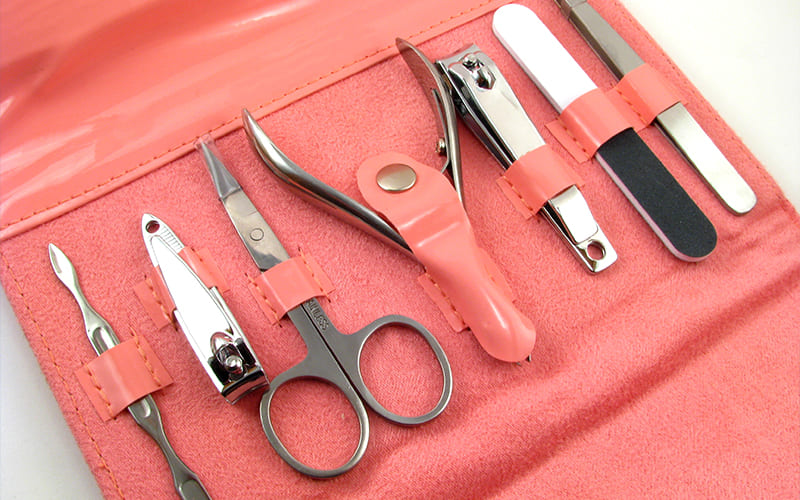
Sharp Objects: Items such as knives, scissors, razor blades, and other sharp objects are typically prohibited in carry-on luggage. These items pose a security risk and can be confiscated at security checkpoints. It’s advisable to pack sharp objects in checked baggage or leave them at home to avoid issues during screening.
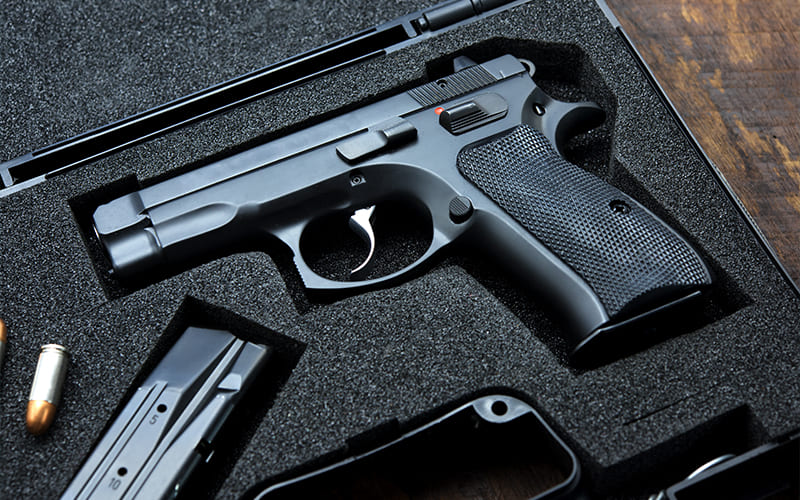
Firearms and Weapons: Firearms, ammunition, explosives, and other weapons are strictly prohibited in carry-on luggage. These items must be declared to airline officials and transported in checked baggage in accordance with airline and airport regulations. Failure to comply with these rules can result in serious consequences.
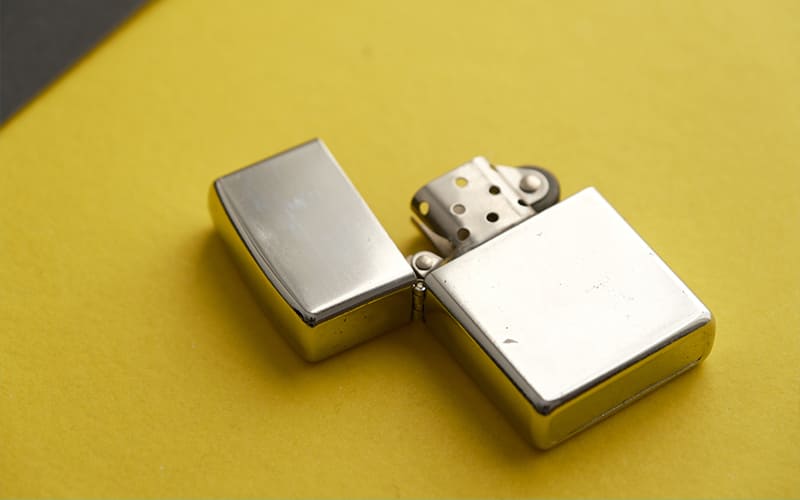
Flammable Items: Flammable liquids, gases, and substances such as petrol, lighter fluid, fireworks, and aerosol sprays are prohibited on airplanes due to their potential to cause fires or explosions. These items are not allowed in either carry-on or checked baggage.

Banned Substances: Illegal drugs, narcotics, and other banned substances are strictly prohibited on airplanes. Passengers found attempting to transport these items can face legal consequences and may be denied boarding or arrested by authorities.
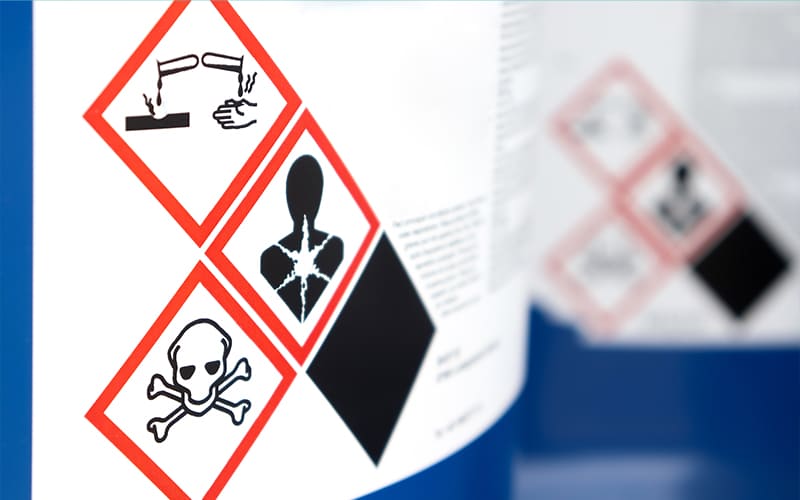
Hazardous Materials: Hazardous materials such as corrosive, toxic, or radioactive substances are not permitted on airplanes without proper authorisation and packaging. Passengers should familiarise themselves with airline policies regarding the transportation of hazardous materials and seek approval from the airline if necessary.
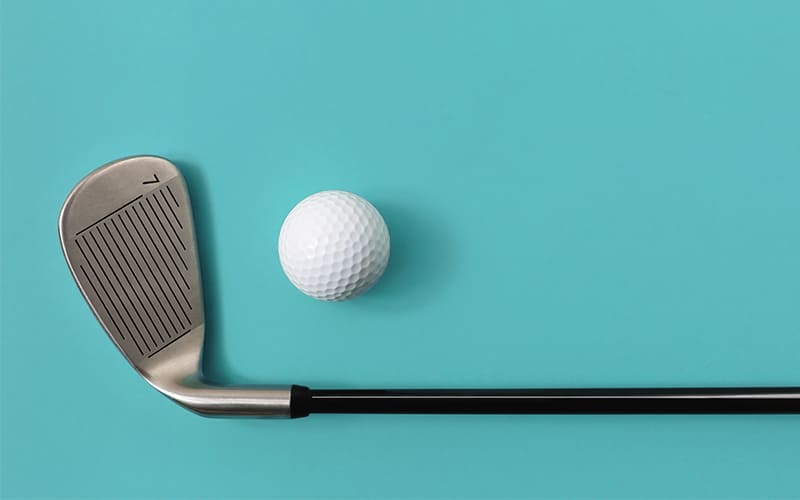
Large Sporting Equipment: Oversized sporting equipment such as golf clubs, baseball bats, and ski poles may be subject to special handling requirements and fees. Passengers should check with their airline in advance to determine the appropriate procedures for transporting large sports equipment.
Sorry, the comment form is closed at this time.