



01 Abr Culinary History: Greek Gastronomy
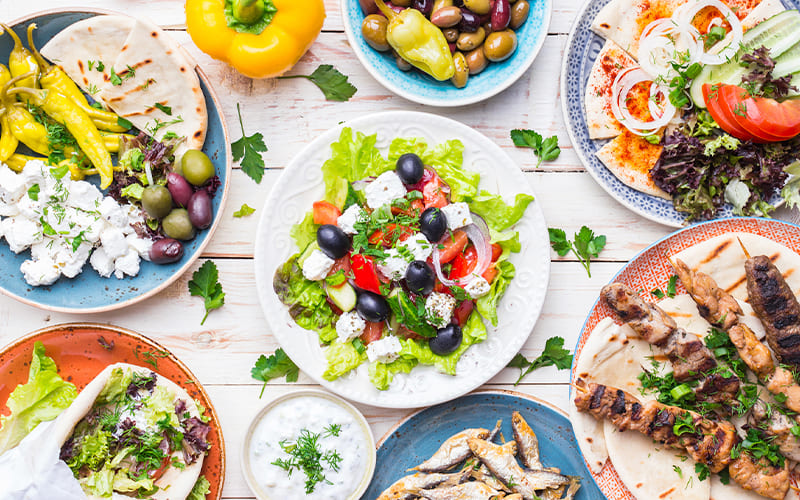
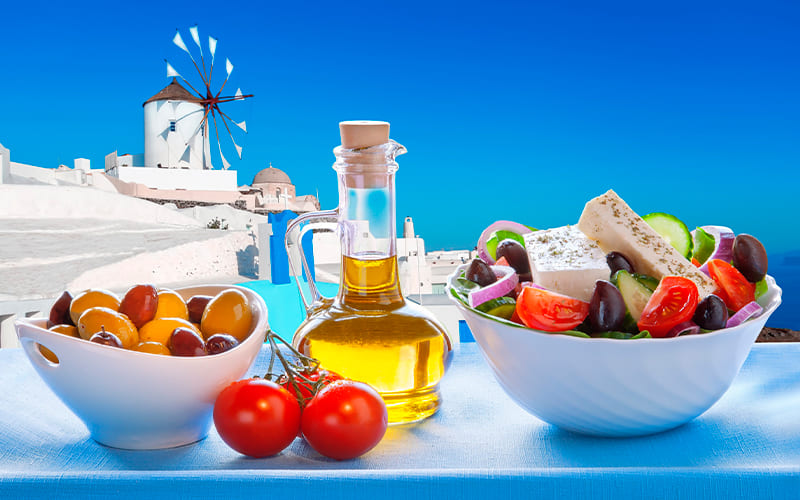
Greek gastronomy is a true expression of traditional Mediterranean cooking, where simple, fresh ingredients come together with centuries of culinary heritage. At the heart of this cuisine is extra virgin olive oil, used generously in almost every dish, much like palm oil or groundnut oil in many African kitchens. Aromatic herbs such as Greek oregano, fresh vegetables, fish from the Aegean Sea and grilled meats create flavours that are light yet rich, reflecting a close connection to the sea and the land. Over time, the many cultures that passed through Greece also left their mark, enriching its traditional recipes.
Some of the most iconic Greek dishes include:
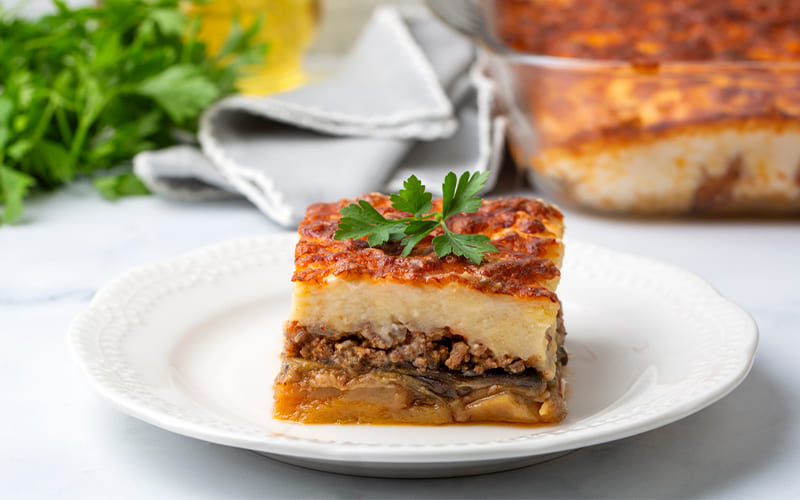
Moussaka: One of Greece’s best-known dishes worldwide. It is similar to a layered bake, made with eggplant, minced meat and a golden béchamel sauce, combining classic Mediterranean ingredients in a comforting meal.
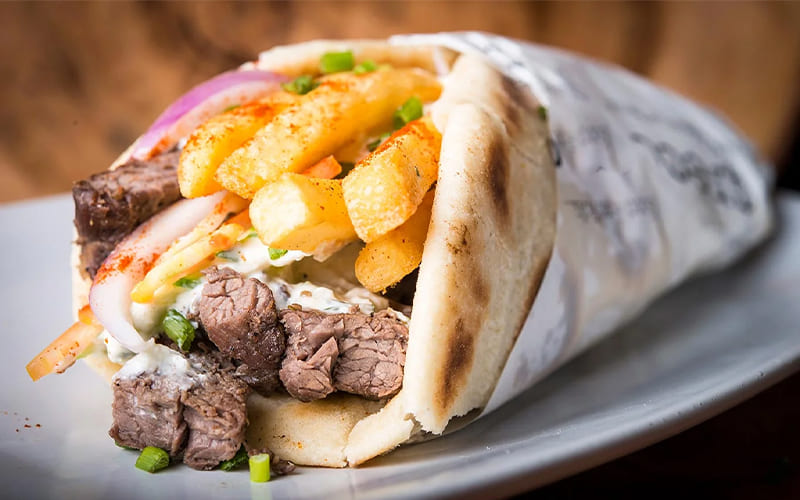
Gyros: Seasoned meat cooked on a vertical rotisserie, sliced thin and served in pita bread with vegetables and sauces like tzatziki. It is popular street food, comparable to quick and filling meals enjoyed across African cities.
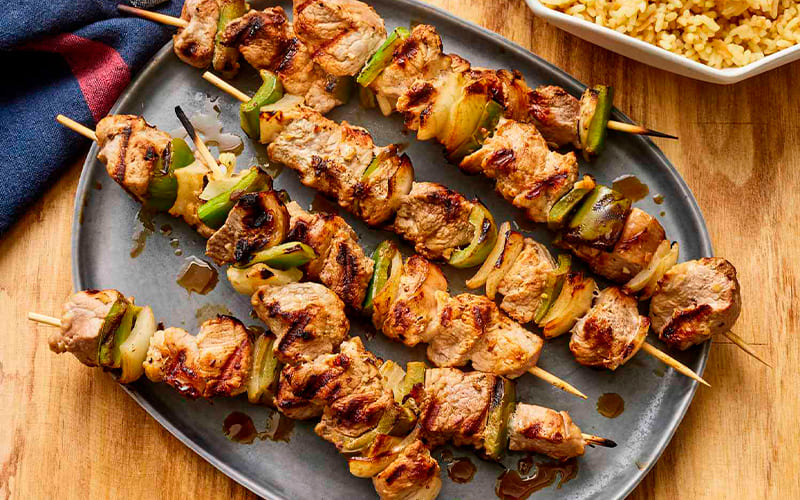
Souvlaki: Marinated pieces of meat grilled on skewers, served with pita bread or as a main dish. It reflects an ancient grilling tradition, familiar to African cultures where open-fire cooking is common.
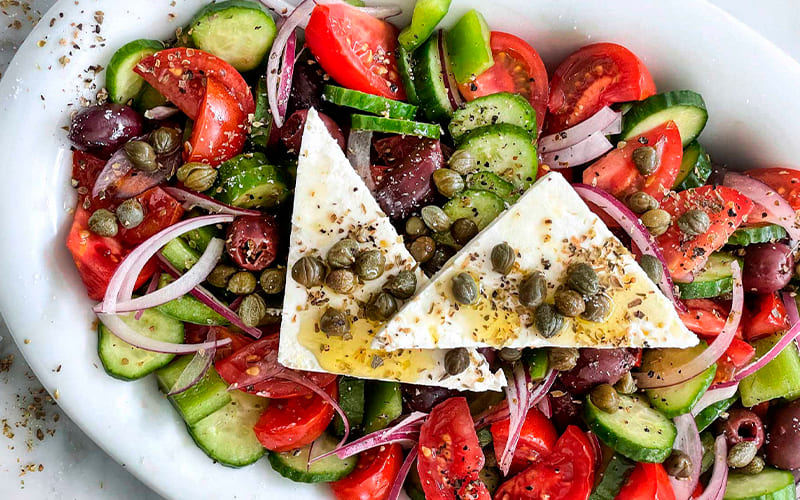
Horiatiki (Greek salad): A fresh and nourishing dish made with tomatoes, cucumber, onion, Kalamata olives and feta cheese, simply dressed with olive oil and oregano. It is especially refreshing in hot weather, much like salads enjoyed across the African continent.
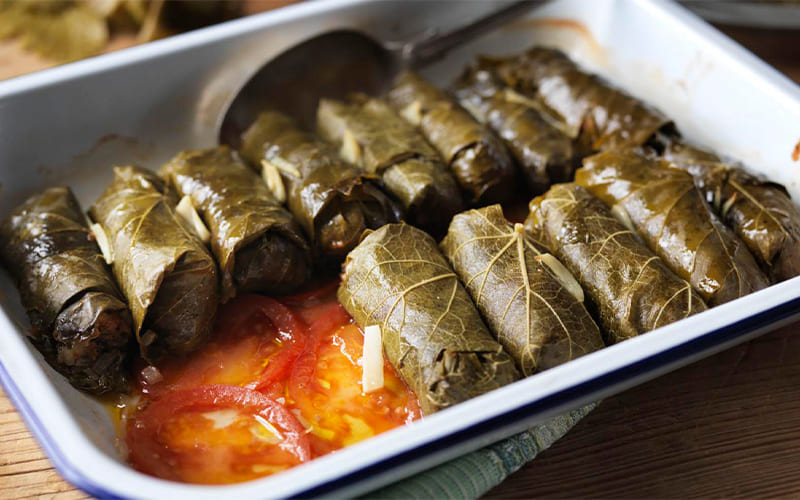
Dolmades: Vine leaves stuffed with rice, herbs and spices, usually served as a light starter with olive oil and lemon. This dish highlights the Greek love for herbs and balanced flavours.
Greek cuisine, much like African cooking traditions, values freshness, community and strong connections to local ingredients, making it easy to appreciate and enjoy across cultures.
Sorry, the comment form is closed at this time.