



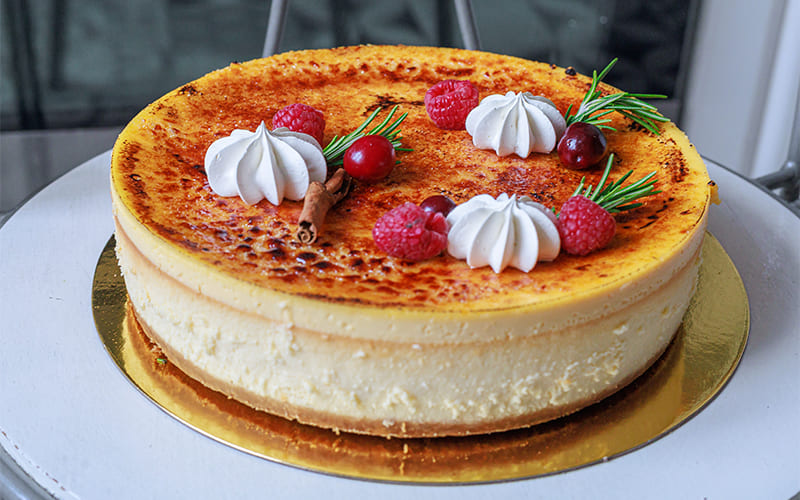
25 Mar Culinary History: The Origin of Sernik
Sernik is the traditional cheesecake of Poland and one of the most iconic desserts in Polish baking. Its history dates back to the 17th century, when it is believed to have been introduced to the country by King Jan III Sobieski after his victory at the Battle of Vienna. From then on, it quickly became part of local culinary traditions. For African readers interested in food history, sernik shows how recipes travel and become rooted in culture, much like many traditional sweets across Africa.
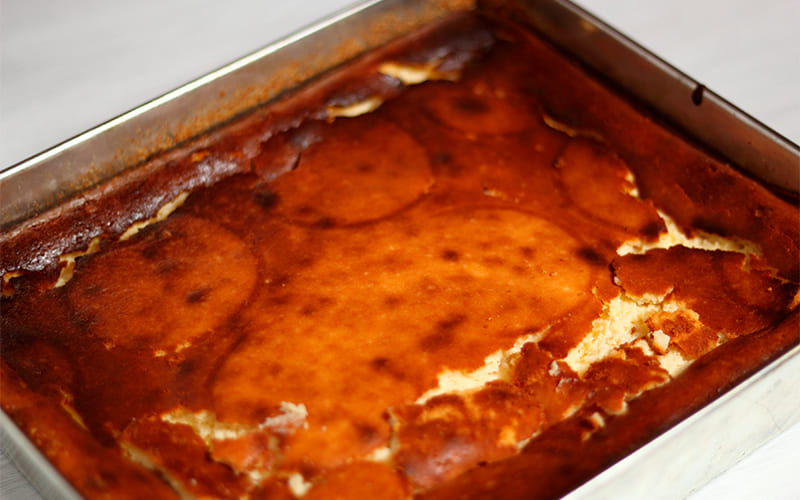
The base of sernik is twaróg, a type of fresh cheese common in Eastern Europe. It is mixed with eggs and sugar to create a smooth, creamy texture. These recipes are closely linked to Christian and Jewish traditions, where the dessert was prepared for religious celebrations and family gatherings—occasions that resonate with African festive customs.

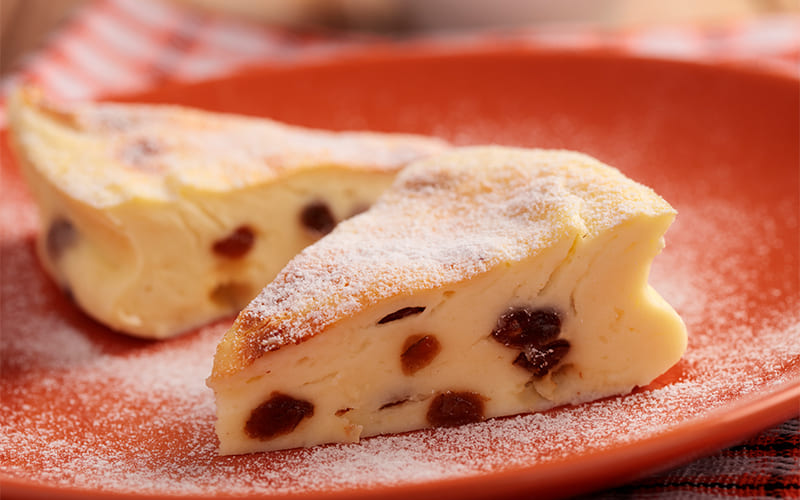
Over time, many versions of sernik have appeared. Some are baked and others are not, but the most traditional style is served on a crumbly sponge or biscuit base. Raisins, chocolate sauce or fruit can be added, making it a versatile and flavourful dessert.
One of the most loved variations includes a layer of jelly and fresh fruit on top of the sponge base. This version is especially popular for celebrations and festive events, where the balance between sweetness and the slight acidity of the fruit enhances the creaminess of the cheese. Today, sernik is not only a symbol of Polish pastry, but has also crossed borders and gained international recognition, becoming one of the world’s most appreciated cheesecakes—now enjoyed far beyond Europe, including by African dessert lovers.
Sorry, the comment form is closed at this time.